X-Caddis: Materials, Tying Guide & How to Fish It
A confidence dry fly that imitates vulnerable emerging insects and consistently fools selective trout.
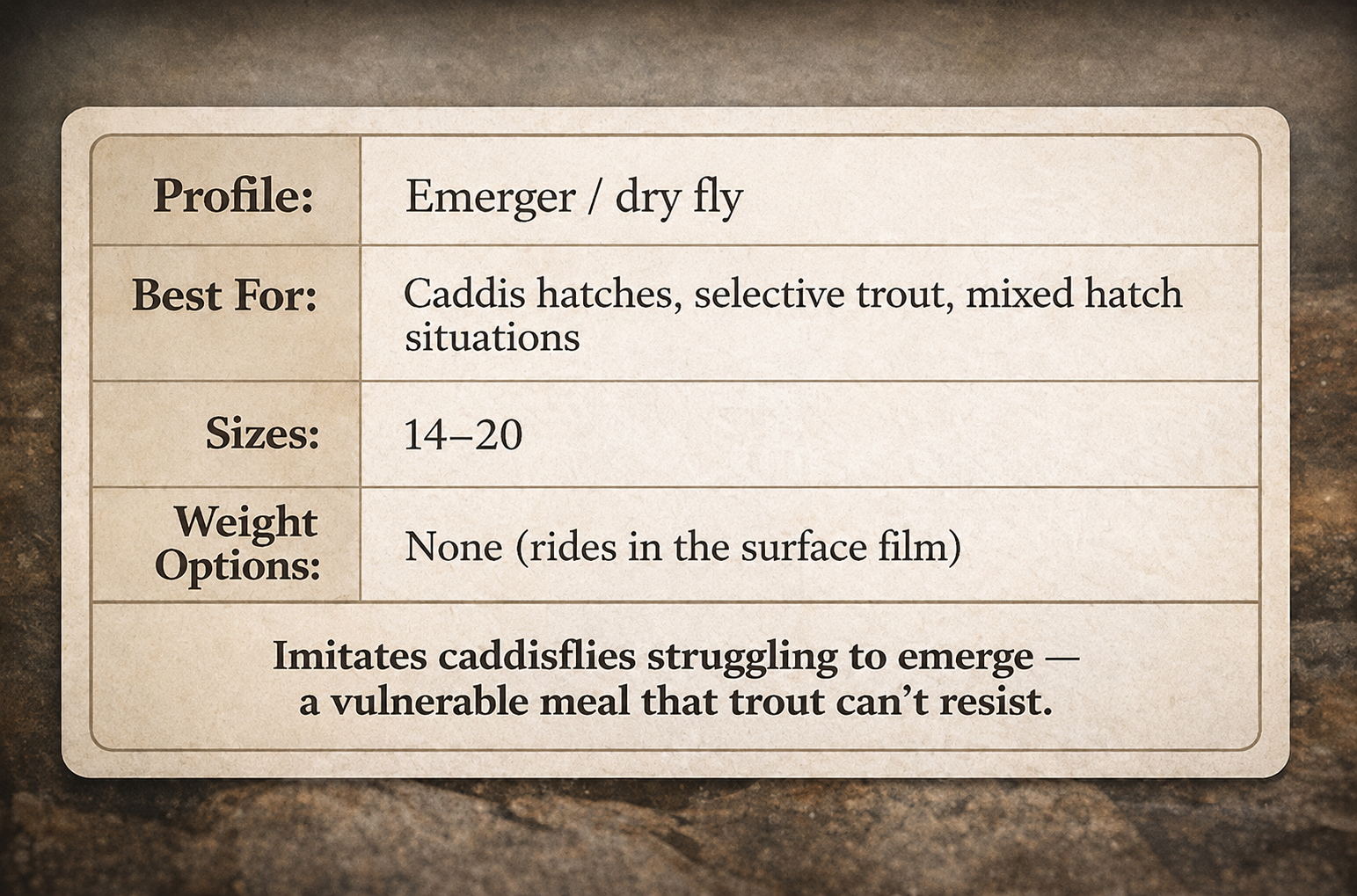
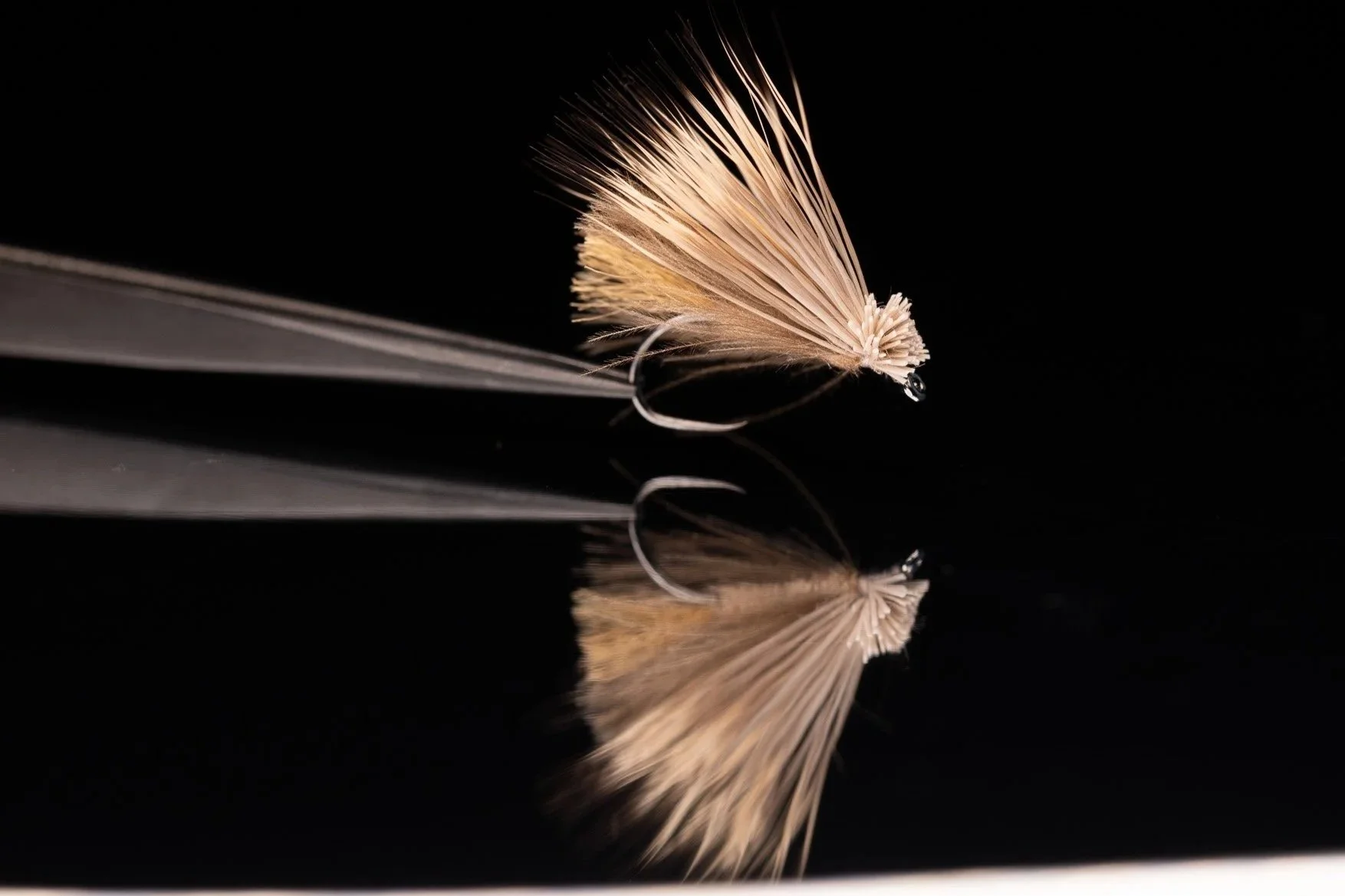
The X-Caddis is a versatile dry fly pattern designed to imitate caddisflies struggling to emerge from their pupal shucks. Its trailing shuck and low-riding profile create the appearance of a vulnerable insect, making it especially effective for selective trout during caddis hatches and mixed hatch situations. With the addition of a CDC underwing, this variation on the classic pattern has become my top confidence dry fly.
Watch the X-Caddis Tying Demo
X-Caddis Materials List
Hook – Dry fly hook
Thread – Brown Semperfli Nano Silk, 18/0
Trailing Shuck – Tan Semperfli Poly-Yarn
Body – Semperfli Kapok dubbing
Underwing – Natural CDC
Wing – Comparadun deer hair
Floatant Pretreatment – High N Dry
Tools I used in this video
• Rambler Nomad Vise
• Stonfo Steeltech Bobbin
• Renomed Scissors
• Hair Stacker
Some links are affiliate links. I earn a small commission at no additional cost to you.
How I Fish the
X-Caddis
Where I fish it, how I present it, and why the X-Caddis has earned a permanent spot in my fly box—especially during caddis hatches and mixed emergences
When I Tie It On
I reach for the X-Caddis when trout are feeding near the surface but don't seem fully committed to high-floating dry flies.
Caddis hatches with emerging adults
Mixed hatches where fish are taking a variety of insects
Selective trout refusing traditional dry flies
Slow seams and slick water where fish get a long look
Any situation where insects appear trapped or vulnerable in the film
Its low-riding profile and trailing shuck create the appearance of an insect struggling to escape.
And vulnerable insects get eaten.
Where It Shines
The X-Caddis really earns its place when trout have time to inspect what’s drifting overhead.
Smooth glides and flat water
Soft seams alongside faster current
Tailouts where emerging insects collect
Eddies and slower pockets where emerging caddis can collect and trout have time to inspect them
Pressured water where trout have seen plenty of traditional dry flies
The longer a trout can inspect a fly, the more convincing that vulnerable, low-riding profile can become.
That’s where the X-Caddis earns its place.
Presentation Tip
Fish the X-Caddis in slower water where trout have time to inspect the fly.
When trout get a long look, insects trapped in the film can be more convincing than perfect adults floating overhead.
Perfect insects catch anglers.
Vulnerable insects catch trout.
The X-Caddis is one of my confidence dry flies—but it's even more powerful when paired with a simple, trusted system of flies.
Carry Fewer Flies. Catch More Trout.
These are the five flies that have earned permanent spots in my box and continue to produce around the world.
Frequently Asked Questions
What size X-Caddis should I use?
I tie and fish the X-Caddis most often in sizes 14–18, with a size 16 being a great starting point. Match the size to the caddis you’re seeing, but don’t be afraid to go smaller when trout are selective or fishing pressure is high.
When should I fish an X-Caddis?
The X-Caddis is especially effective during caddis emergences, when insects are struggling in or near the surface film. I also like it during mixed hatches, on slower water where trout can carefully inspect their food, and anytime fish are rising but refusing higher-floating dry flies.
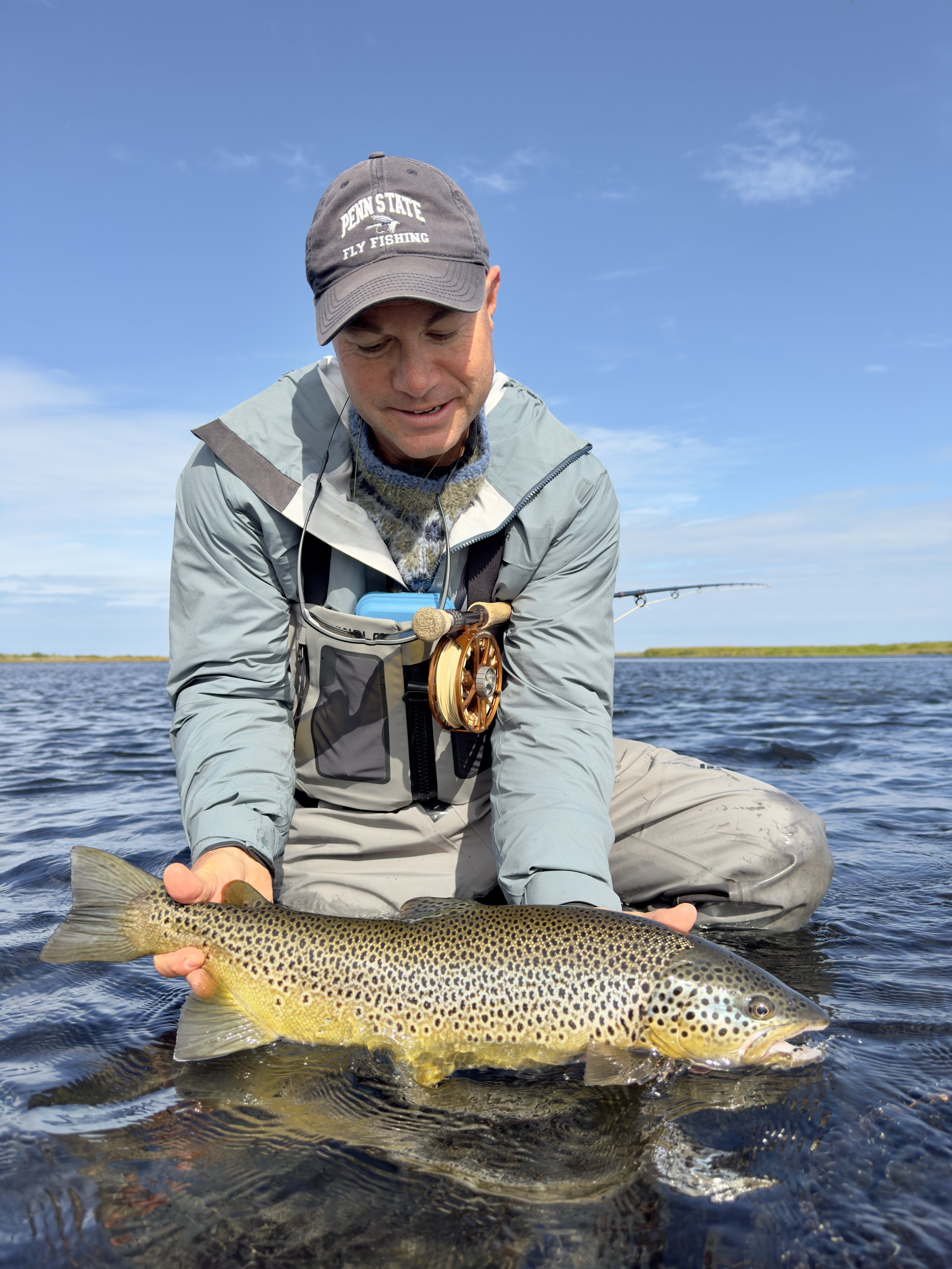
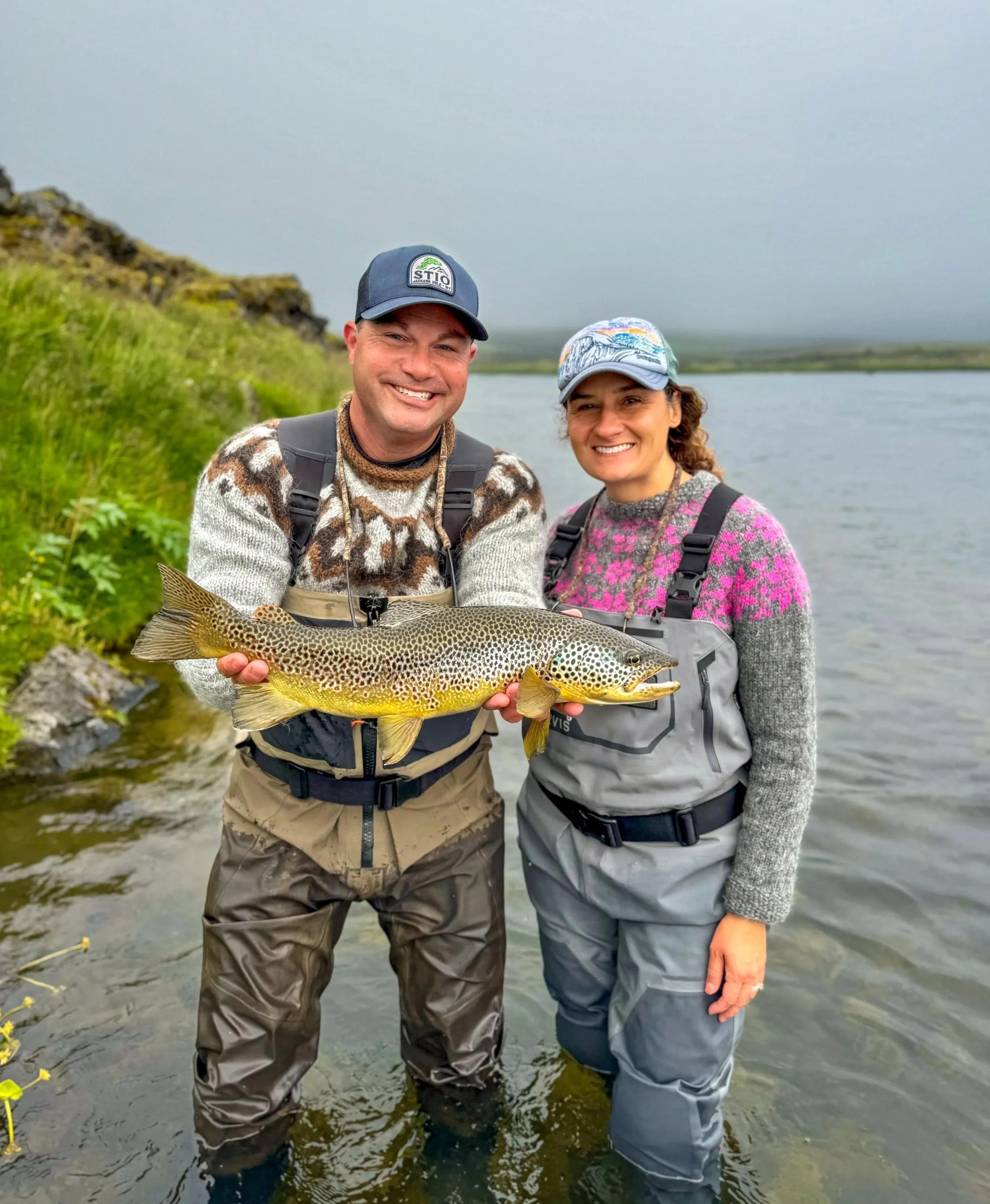
Brown trout can be notoriously selective on the surface, which is exactly where the low-riding X-Caddis earns its place.
What makes the X-Caddis different from an Elk Hair Caddis?
The biggest difference is the trailing shuck and low-riding profile. An Elk Hair Caddis generally represents a more fully emerged adult, while the X-Caddis suggests an insect that is still emerging or struggling to escape its shuck.
That vulnerability is a big reason trout eat it so confidently.
Should the X-Caddis ride low in the water?
Yes. That’s one of the strengths of the pattern. I want the body of the X-Caddis sitting low in or close to the surface film while the deer-hair wing remains visible above the water.
Don’t worry if it doesn’t look like a perfectly high-floating dry fly.
That’s the point.
Should I put floatant on an X-Caddis?
I concentrate floatant on the deer-hair wing and use it sparingly around the CDC. Avoid coating the trailing shuck because I want that portion of the fly sitting in the surface film.
I also like to pretreat my dry flies before fishing so they begin the day with plenty of buoyancy.
What tippet should I use with an X-Caddis?
For most trout fishing, I’ll typically fish the X-Caddis on 5X or 6X tippet, depending on the size of the fly, water conditions, and the fish I’m targeting.
In slower, clearer water where trout have more time to inspect the fly, dropping to lighter tippet and concentrating on a drag-free presentation can make a noticeable difference.
You might also like:
If you’re building your tying skills, explore my complete Fly Tying Guide.
Looking to round out your box? Start with my list of The Best Euro Nymphing Flies