
Jig Bugger Fly Pattern
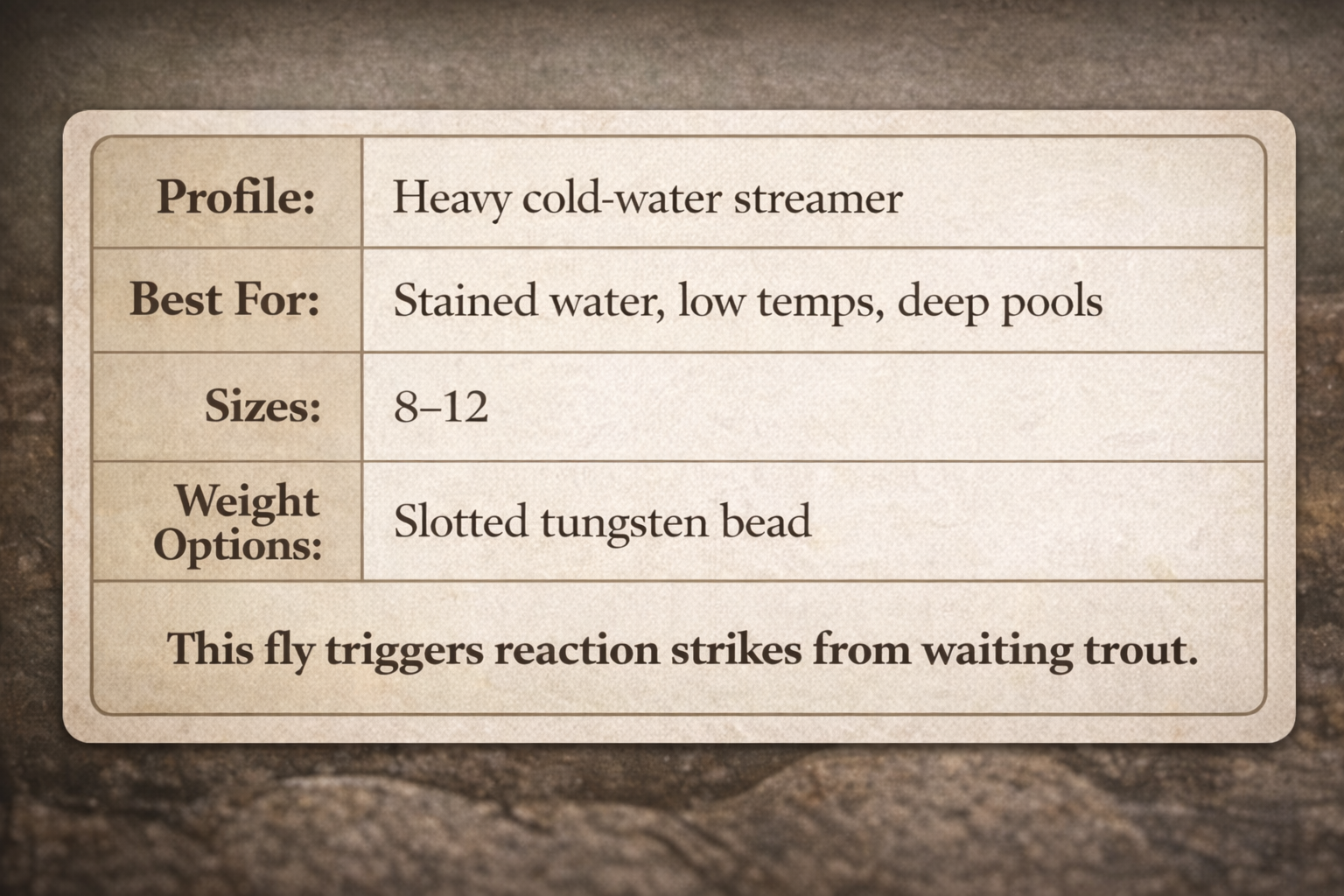
A Jig Bugger is a jig-style variation of the classic Woolly Bugger designed to reach depth quickly and trigger reaction strikes from trout holding deep.
The Jig Bugger fly pattern is one of the most versatile streamers in my box. Heavy. Compact. It gets down quickly and triggers reaction strikes in cold water, stained flows, and deeper trout water. It’s a pattern I trust when I need to cover water efficiently and force a decision from holding fish.
Watch the Jig Bugger Tying Demo
Prefer reading? Full materials list and fishing breakdown below.
Jig Bugger Fly Materials List
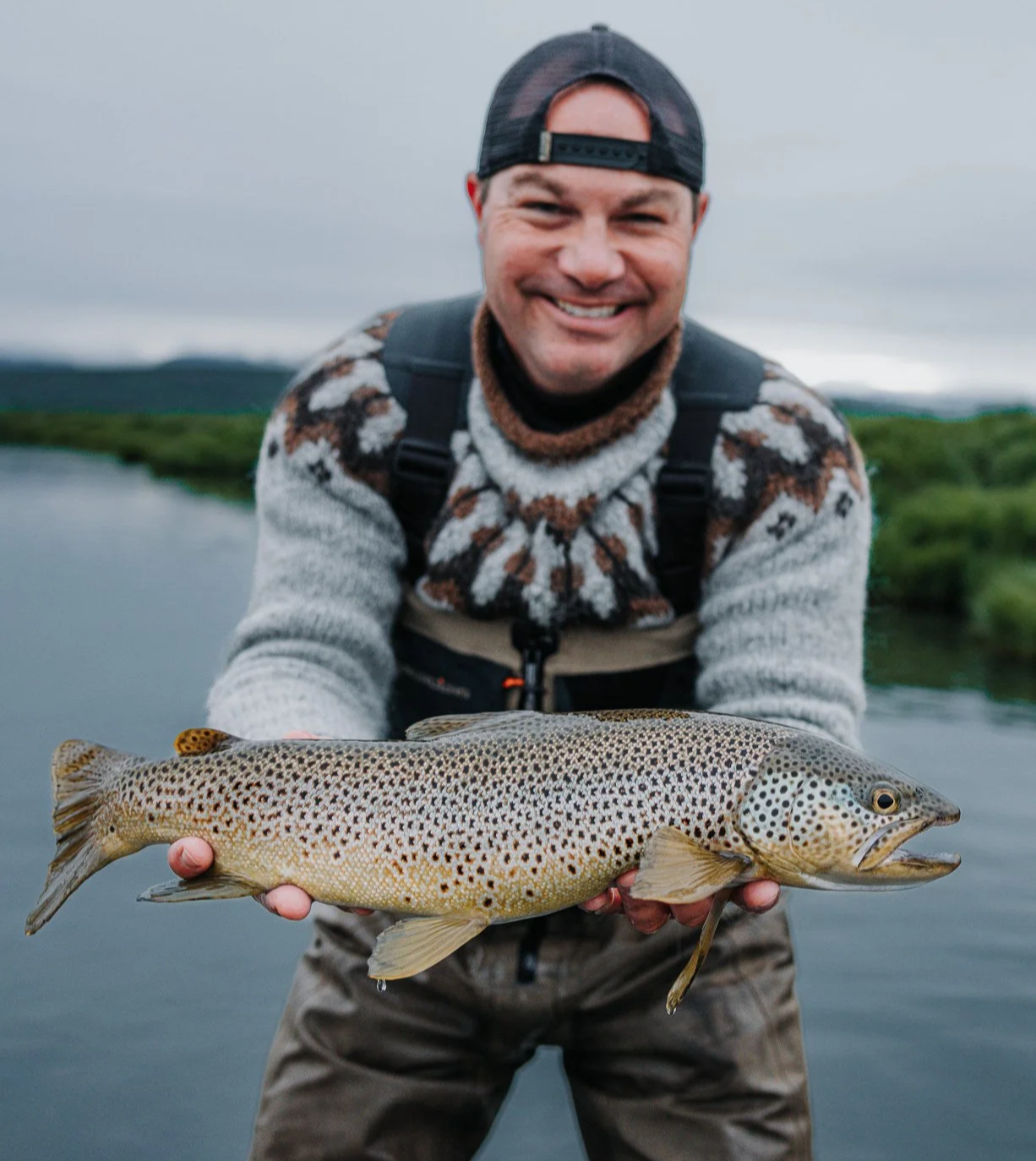
Hook – Fulling Mill 5045, #12
Bead – Silver slotted tungsten, 3.8 mm
Wire – Lead free 0.5 mm
Thread – Black Semperfli Nano Silk, 12/0
Tail – Black marabou
Body – Medium UV Polar Chenille, UV Black
Adhesive – Zap-A-Gap
This version is tied in black for maximum silhouette and contrast in low-light and off-color conditions. The slotted tungsten bead keeps the fly riding hook-point up and helps it reach depth quickly.
Tools I used in this video
• Rambler Nomad Vise
• Renomed Scissors
• Stonfo Steeltech Bobbin
Some links are affiliate links. I earn a small commission at no additional cost to you.
How I Fish the Jig Bugger
Where I fish it, how I present it, and why it earns a permanent spot in my streamer box — especially when trout need a reason to chase.
When I Tie It On
I reach for the Jig Bugger when conditions call for depth, profile, and a reaction strike.
Stained or off-color water
Cold water when fish are holding deep
Heavy runs and deep pools
Post-rain flows with added current
Low-light windows when trout are willing to chase
It gets down quickly, shows a bold silhouette, and triggers movement without needing a perfect drift.
Where It Shines
The Jig Bugger excels when trout are holding deeper and willing to move for a meal.
In deep pools and slower winter water
Along cut banks and structure
Swung across current seams
Stripped slowly through tailouts
As a search pattern when I need to water
It often tells me quickly whether fish are willing to chase — or if I need to slow things down.
Rigging Tip
Fish it as your primary offering and adjust your presentation around it.
Let the Jig Bugger trigger the reaction.
Change retrieve speed, depth, or angle before changing the fly.
Frequently Asked Questions

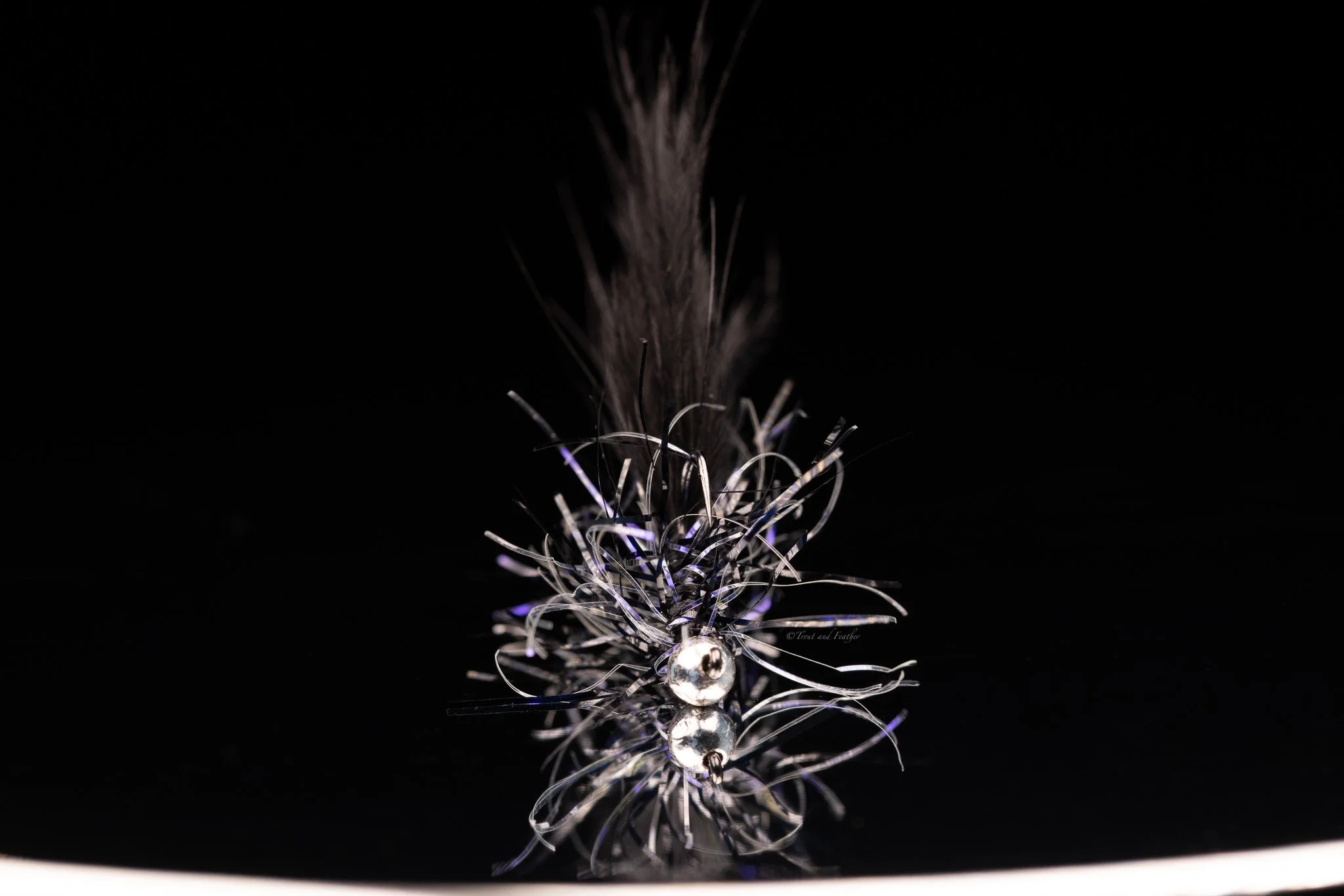
A stunning Alaskan leopard rainbow that crushed a streamer. Quick photo before a clean release.
What size Jig Bugger should I use?
For most trout situations, sizes 8–12 cover everything I need. I lean toward a size 10 as my starting point — it offers a strong profile without looking oversized. In higher or stained water, a size 8 pushes more presence and moves more water. When fish are pressured or conditions are clear, dropping to a 12 keeps the profile convincing without overwhelming them.
Is the Jig Bugger good in clear water?
Yes — especially in smaller sizes with a controlled presentation. While black creates a bold silhouette, it also looks natural in many conditions. In clear water, I slow down the retrieve, focus on depth control, and let the fly move subtly rather than aggressively. It can still trigger eats without feeling intrusive.
How should I fish the Jig Bugger?
It shines with a varied presentation. I’ll dead-drift it deep first, then add short strips or a slow swing to see how fish respond. In colder water, slower is better — small twitches and controlled movement often outperform aggressive retrieves. In warmer water or post-rain flows, increasing speed can trigger reaction strikes.
What bead size works best?
That depends on depth and current speed. For sizes 8–12, I typically fish 3.3mm–4.0mm slotted tungsten beads. In deeper pools or heavier current, I’ll go heavier to reach the strike zone quickly. In shallower runs or when fish are suspended, stepping down in bead weight keeps the presentation more natural and easier to control.
Is the Jig Bugger good for winter trout?
Yes — especially when fish are holding deep and conserving energy. In winter trout fishing, getting your fly down into slower pools and softer seams is critical, and the Jig Bugger’s weight and compact profile help it reach that zone quickly. I focus on slower presentations — controlled swings, subtle twitches, or a near dead-drift — rather than aggressive strips. When trout won’t move far for a meal, keeping it deep and moving it just enough often makes the difference.
The Jig Bugger is powerful — but it’s even stronger as part of a complete system.
Stop Guessing What to Tie On
When the streamer bite slows down, these five Euro nymphs consistently produce. Download the exact patterns I trust on pressured water.
You might also like:
If you’re building your tying skills, explore my complete Fly Tying Guide.
Looking to round out your box? Start with my list of The Best Euro Nymphing Flies