
Lake Erie Steelhead Fly Fishing Guide
Steelhead fishing on Lake Erie tributaries can be incredibly rewarding—but success comes down to preparation and confidence. This hub is built for beginner to intermediate anglers looking to catch more steelhead by fishing smarter. Inside, you’ll find proven flies, effective rigs, seasonal tactics, and step-by-step videos to help you make the most of your time on the water.
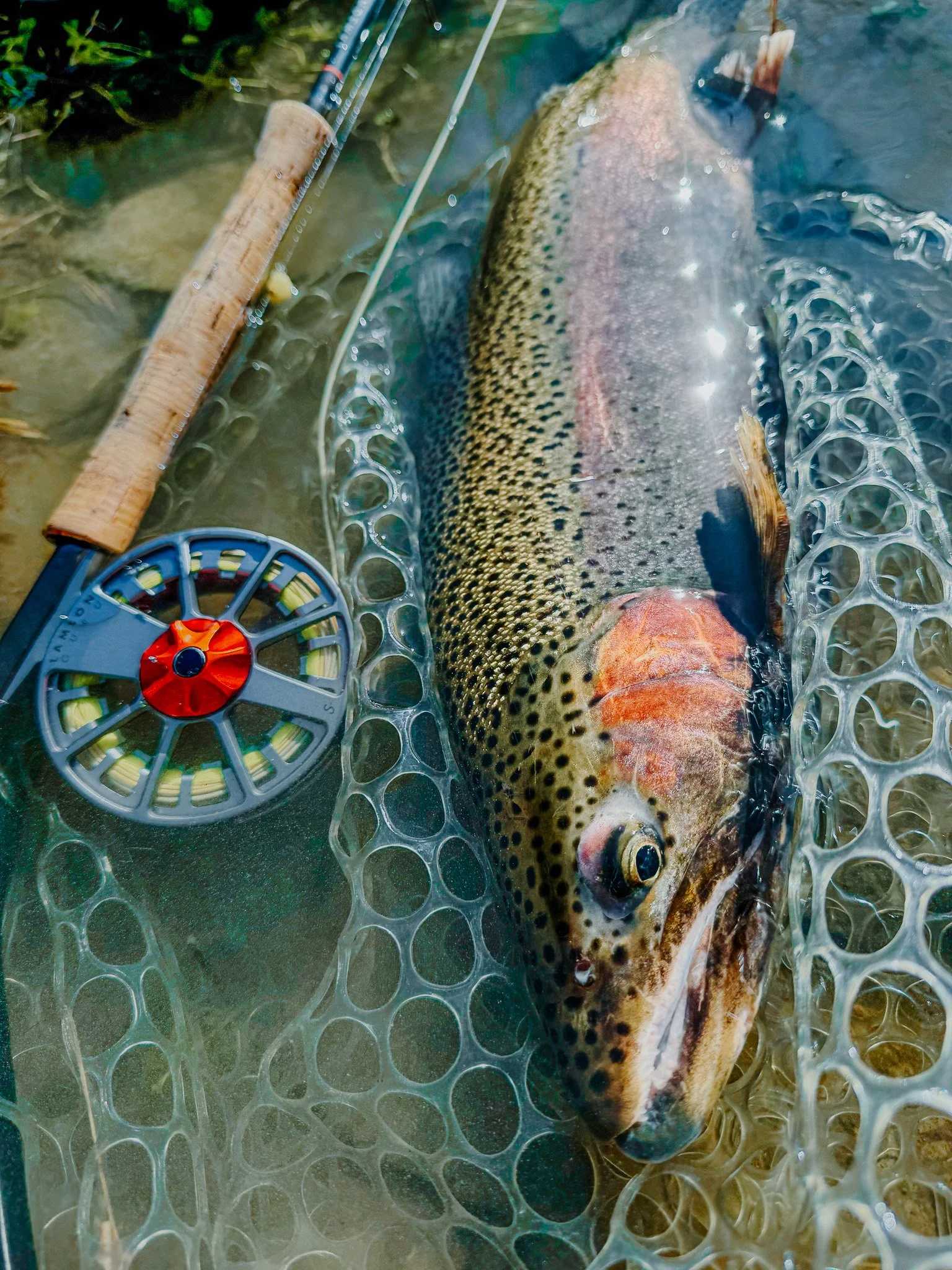
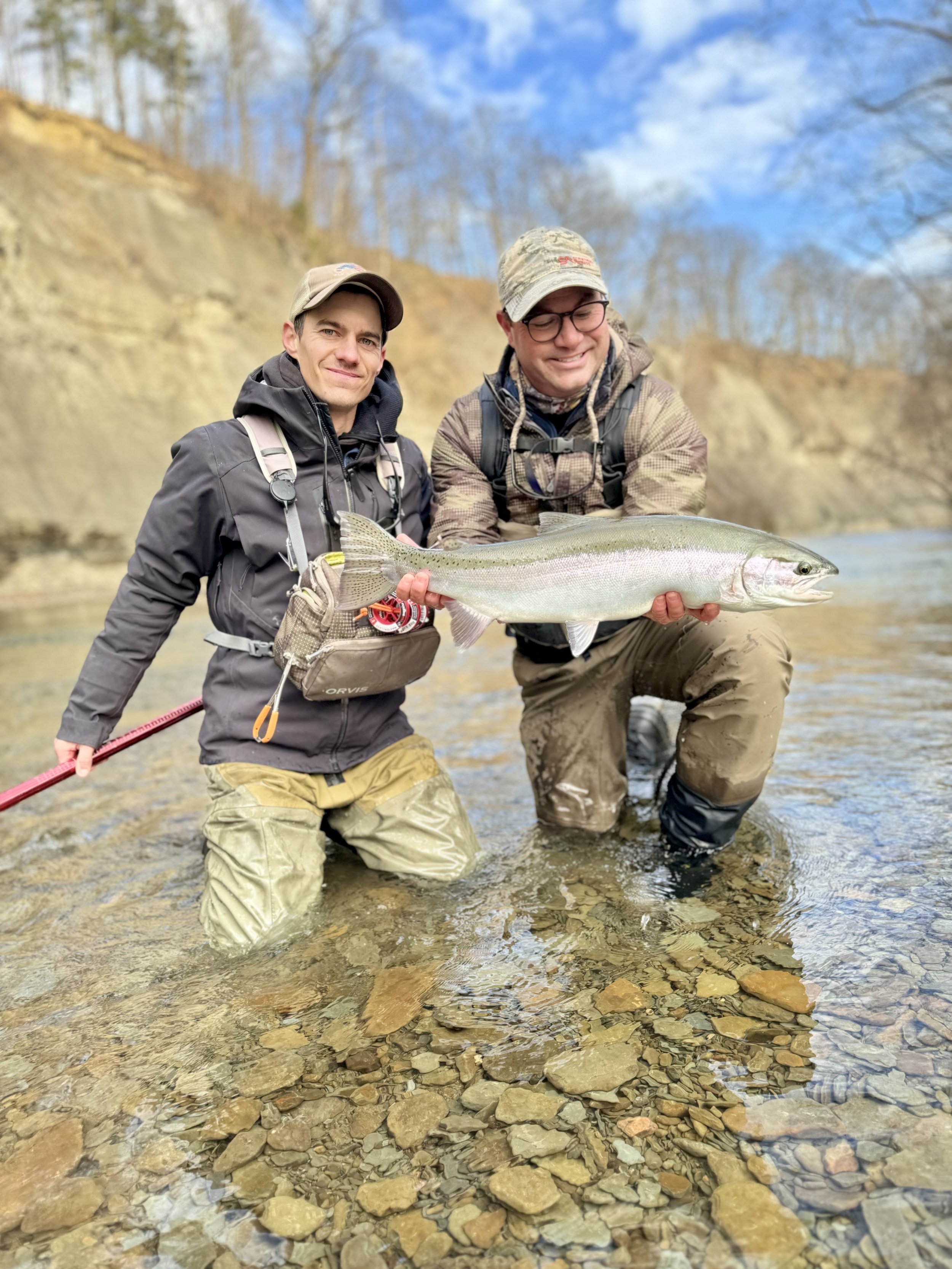
This beautiful steelhead is the draw to the Lake Erie tributaries from October through the early spring.
What Are Lake Erie Steelhead?
Steelhead in the Lake Erie system are migratory rainbow trout that spend most of their lives feeding in the open waters of the lake before making seasonal runs into tributaries. These fish move upstream to spawn, following changes in water temperature and flow, which creates the unique fishing opportunities anglers chase each fall, winter, and spring.
Unlike Pacific steelhead, Lake Erie fish don’t migrate to the ocean, but their behavior is strikingly similar. They grow quickly in the lake, return to the same tributaries year after year, and can be aggressive feeders when conditions are right.
Why Steelhead Runs Matter to Anglers
As steelhead push into tributaries, they concentrate in predictable holding water—runs, seams, and tailouts—making them accessible to fly anglers. Their movement is closely tied to rainfall, water levels, and seasonal timing, which is why understanding when and why steelhead run is just as important as choosing the right fly.
This guide focuses on the tactics, gear, and conditions that consistently produce on Lake Erie tributaries, helping you make the most of each window of opportunity throughout the season.
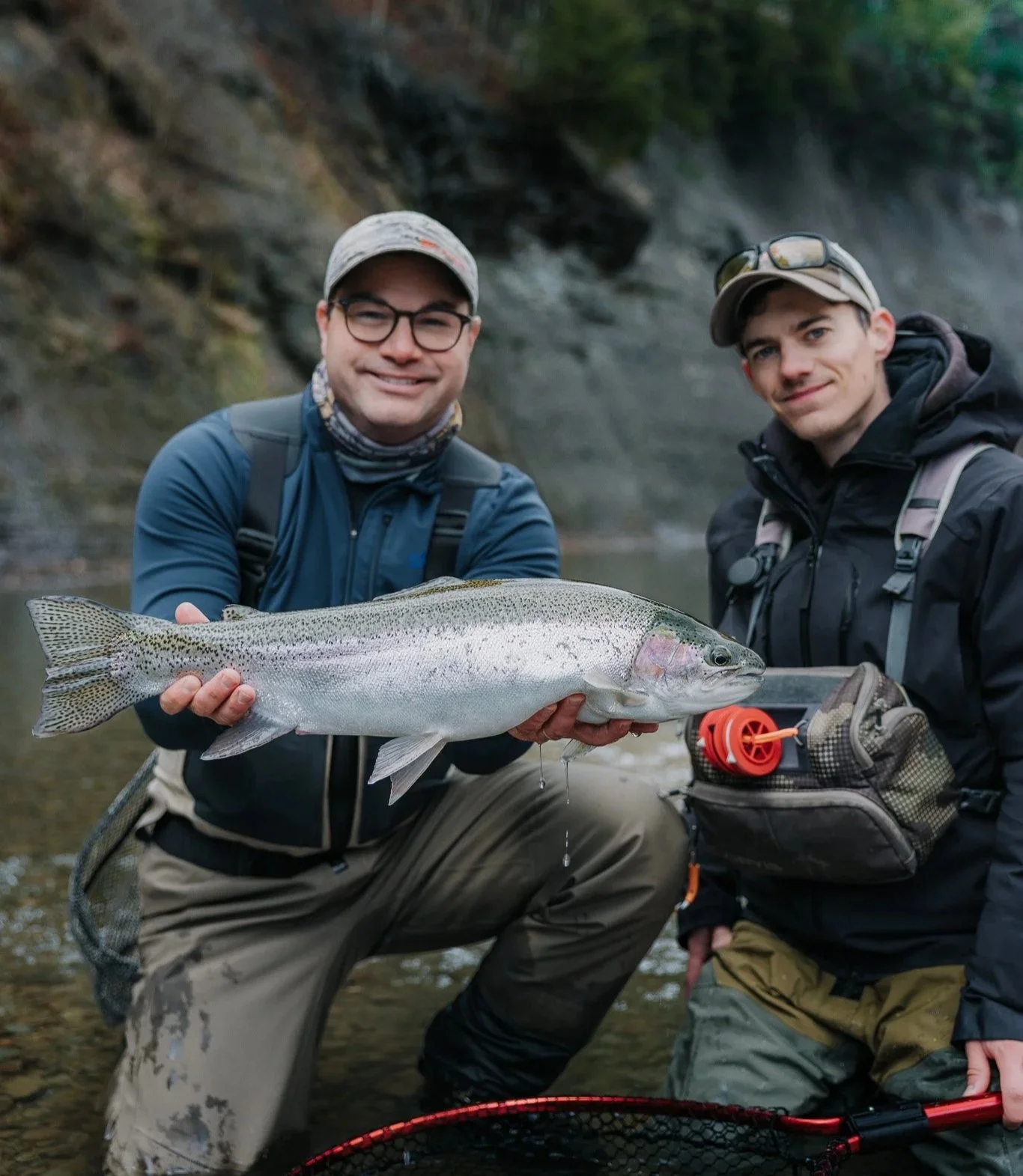
Top Steelhead Flies for Lake Erie Tributaries
If you’re looking to simplify your steelhead fly selection, this is the place to start. In this article, I break down the five confidence patterns I personally rely on when fishing Lake Erie tributaries, along with when to fish each fly, how water conditions influence success, and why these patterns consistently produce steelhead season after season:
Read here: Top Five Steelhead Flies for Lake Erie Tribs
Favorite Steelhead Fly Patterns
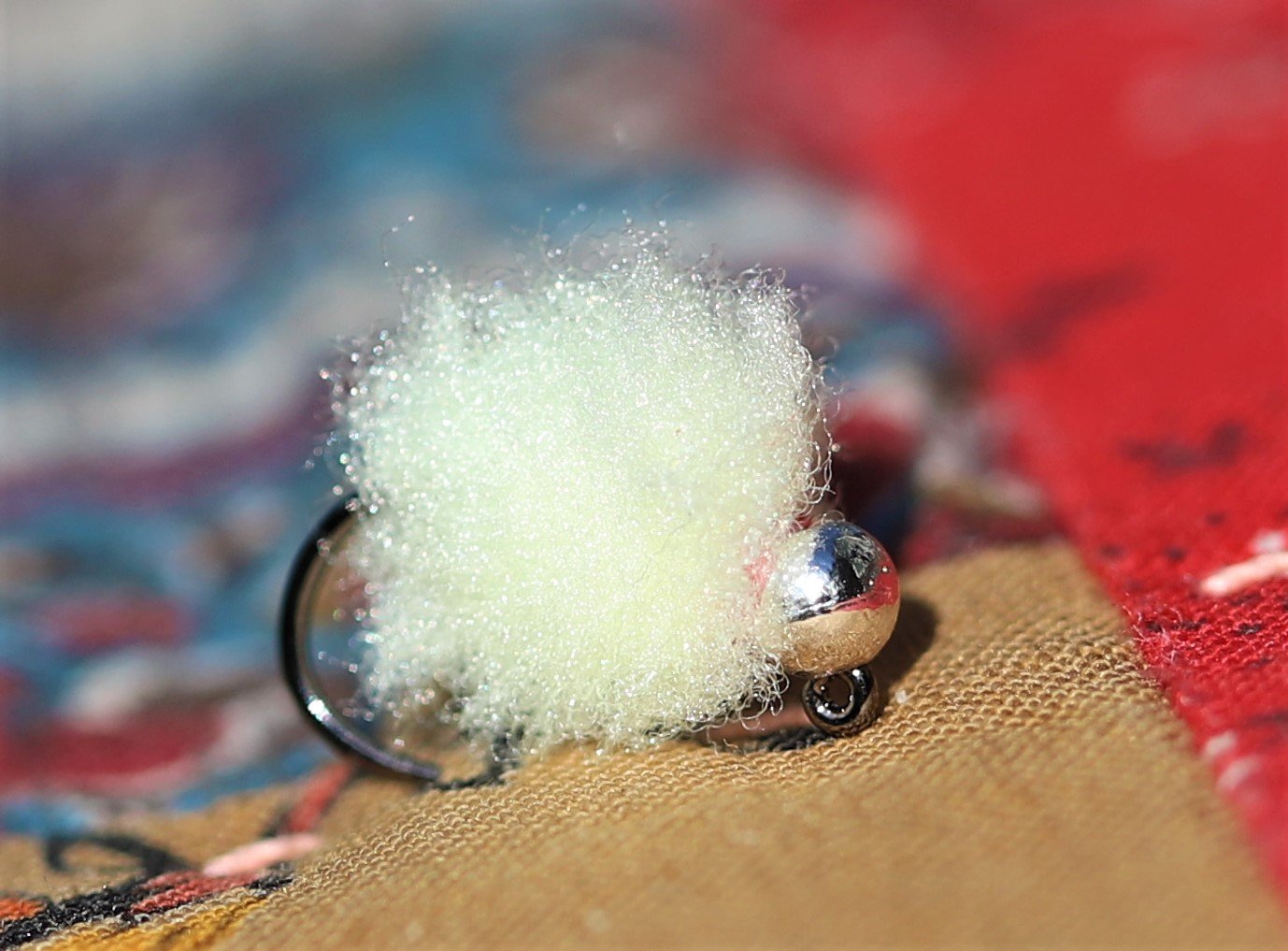
One of the first flies I use for steelhead involves one of these eggs…fish them with confidence!
EGGS
Eggstasy Egg: An easy-to-tie egg pattern that consistently produces steelhead, offering great durability and a natural profile that fishes well in a wide range of water conditions.
Sucker Spawn: This has been one of the most consistent producers in my box for nearly three decades.
Blood Dot: Created by Jeff Blood, this proven egg pattern stands out in a range of water conditions and remains visible at depth—making it a reliable choice for Lake Erie steelhead.
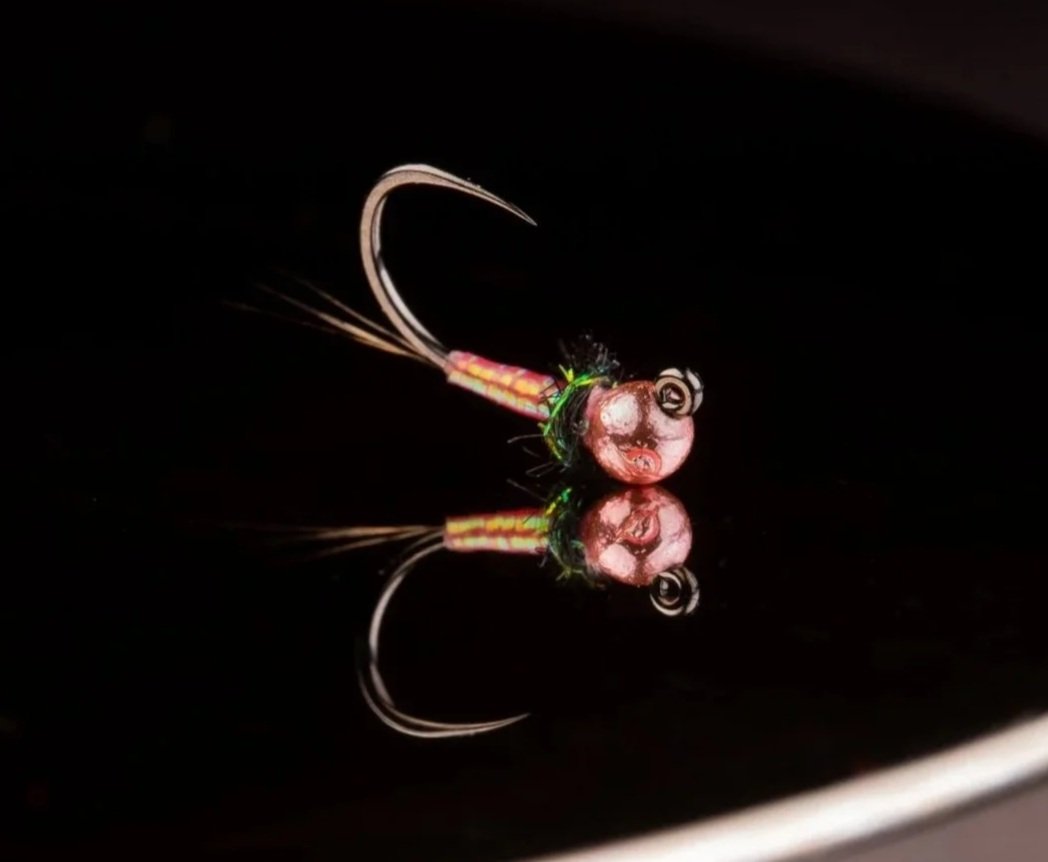
These three nymphs cover the majority of situations I encounter when fishing subsurface.
NYMPHS
France Fly: My go-to nymph for steelhead—fish it in all black when you want a simple, effective pattern.
Sweet 16 Nymph: A versatile, coppery-profile nymph that combines flash and natural movement, making it a go-to choice for steelhead.
Improved Zebra Midge: A simple, confidence-building pattern that excels in low, clear water when steelhead are selective, making it a reliable choice throughout the winter months.
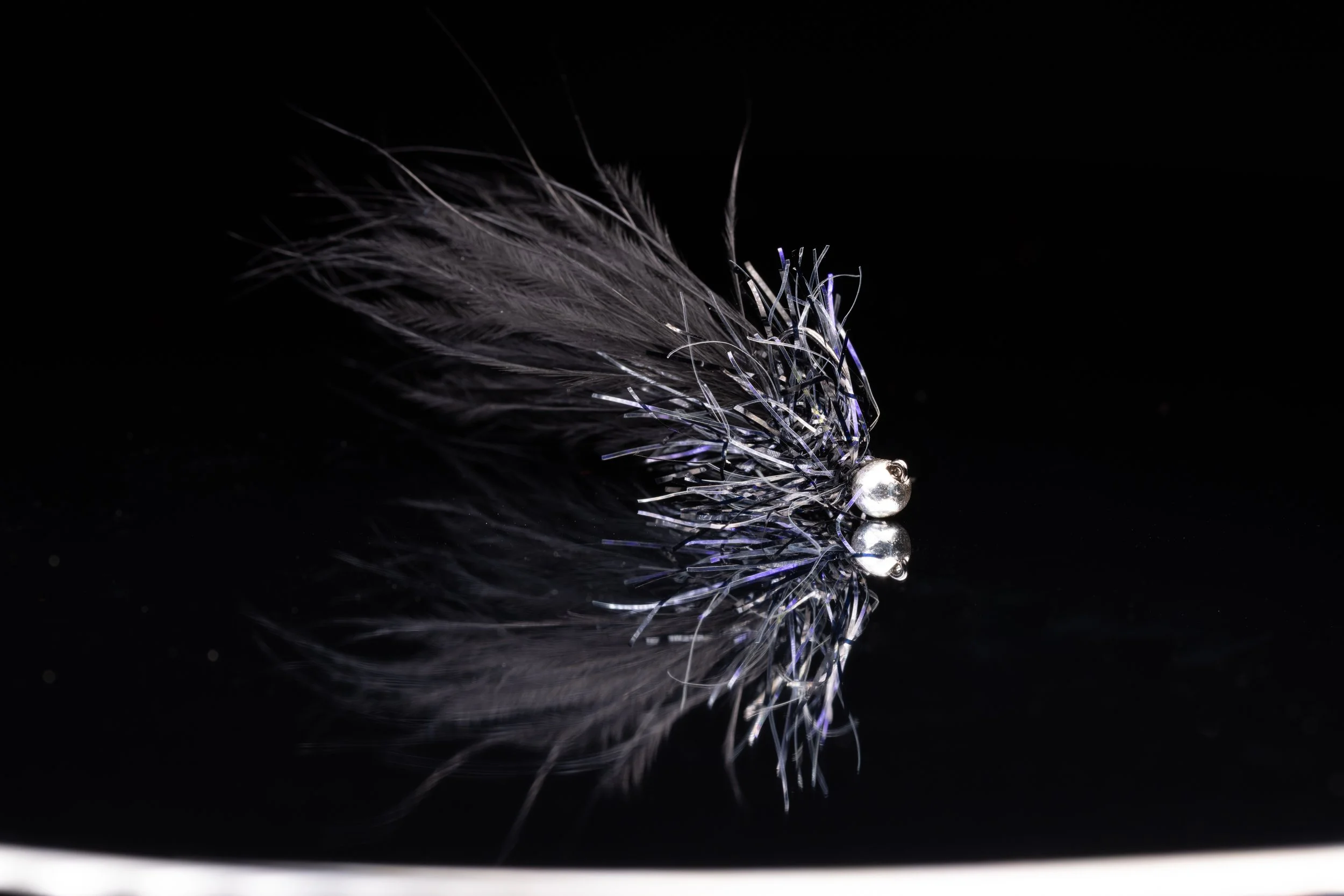
If I had to limit myself to just three streamers for steelhead, these would be the ones I’d carry.
STREAMERS
Black Jig Bugger: If I only had one streamer to fish for trout and steelhead, this is it! Favorite colors include black, white, and olive.
White Death: Tied by Jeff Blood, this fly simply slays steelhead on the Lake Erie tributaries.
Kurt’s Creek Minnow: Created by Kurt Bitikofer, this subtle baitfish imitation shines when steelhead are keyed in on emerald shiners, especially when swung or lightly stripped through slower runs.
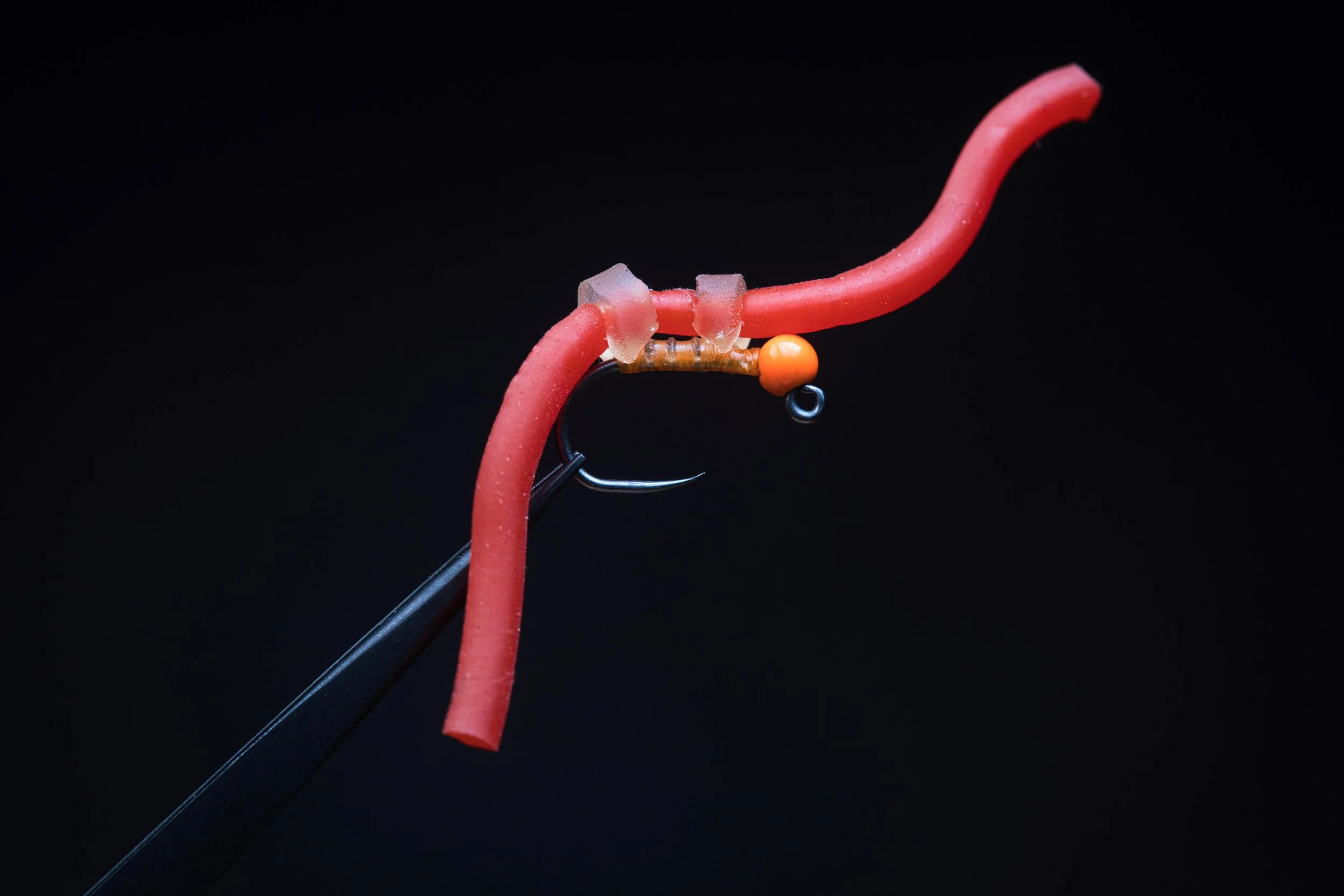
Call them ‘junk flies’ if you want—I never fish without them.
WORMS & MOPS
Squirmy Wormy: I’ve got a simple rule—show me a fish, and I’ll show you something that’ll eat a Squirmy Wormy.
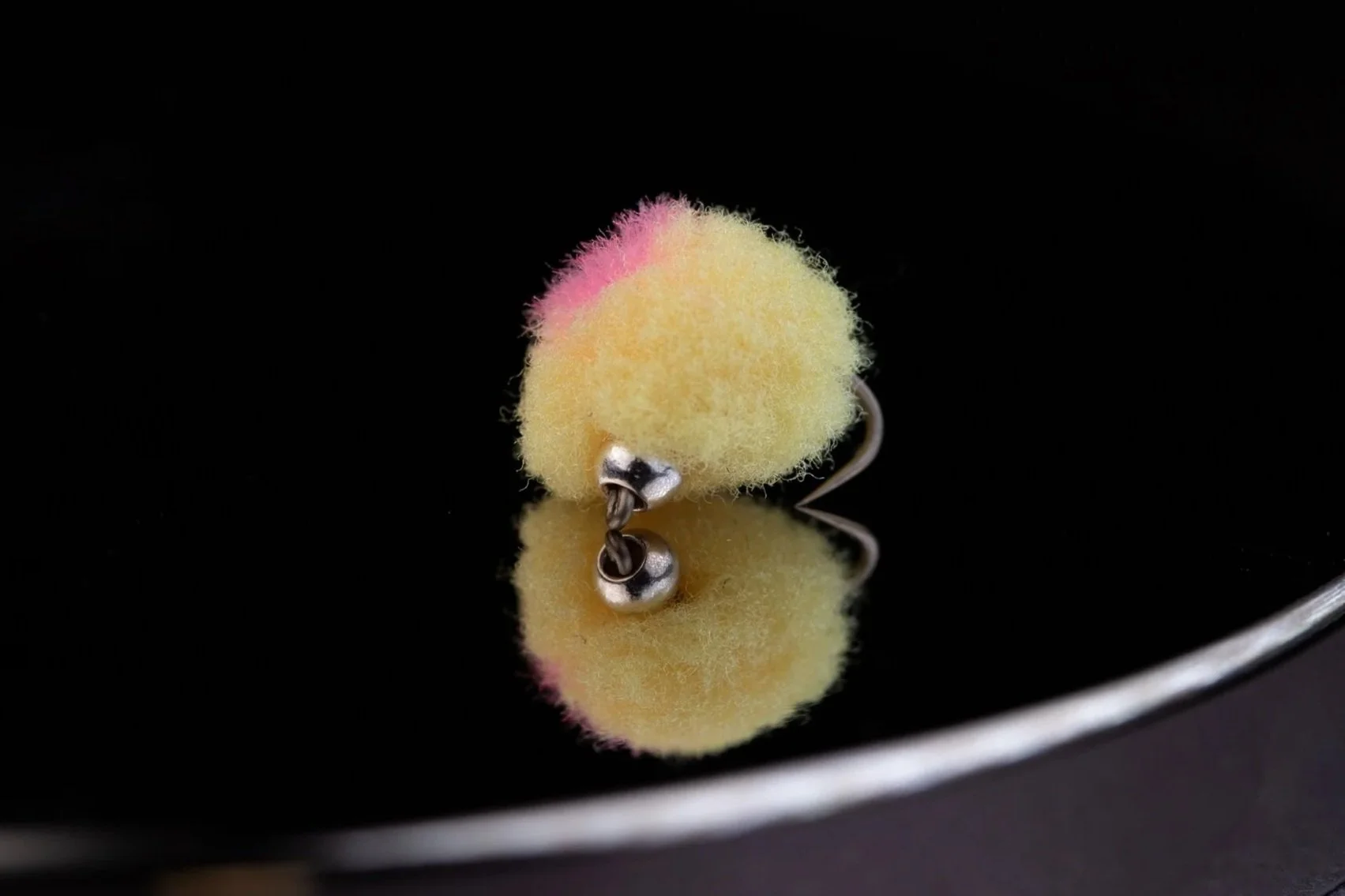
Mop Fly: The key with this fly is fishing the right water column—it’s a proven pattern steelhead will eat in a wide range of colors.
Suede Worm: A subtle, durable worm pattern that shines when steelhead want a natural profile without excessive movement. It sinks well, holds its shape, and fishes clean in cold or clear water.
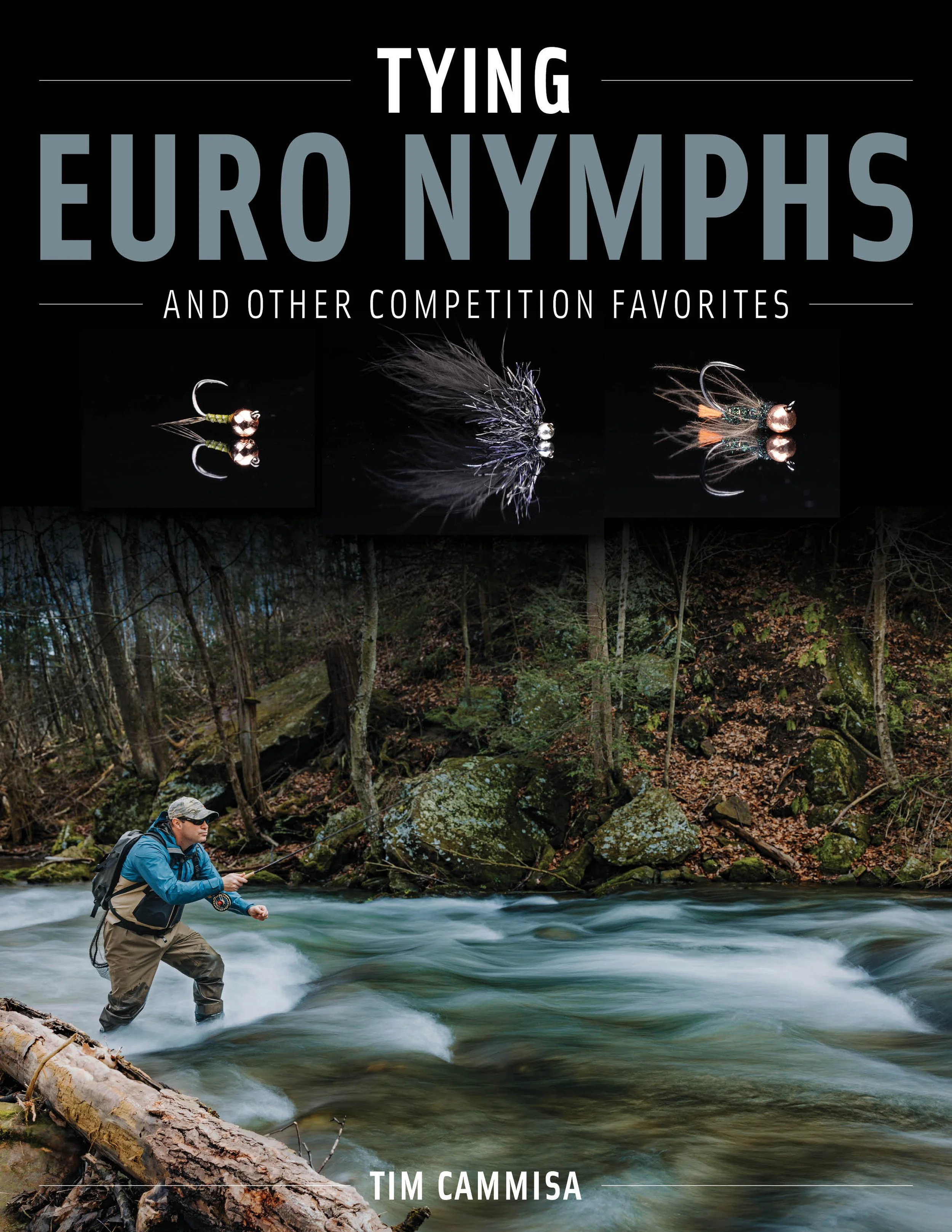
Tying Euro Nymphs Book
Many of the flies featured on this page—including worms, eggs, and confidence nymphs—are patterns I fish regularly throughout the season. They aren’t just “good ideas” or one-off patterns; they’re flies that have earned a permanent place in my box through time on the water.
In my book, Tying Euro Nymphs and Other Competition Favorites, I go well beyond how to tie these flies. I break down when to fish them, why they work, and—just as importantly—how to fish them together as part of a system. That includes rigging, leader setup, weight selection, fly order, and the subtle adjustments that make the difference between drifting flies and actually getting eaten.
If you want a deeper understanding of how these patterns fit into a modern nymphing approach—whether you’re targeting trout or steelhead in varying water types—this is where I connect all the dots.
Buy autographed copies: CLICK HERE
My Go-To Indicator Rig for Steelhead
One of the most productive methods when targeting steelhead in the tributaries is an indicator rig. This system allows the use of multiple flies, doubling your chances of picking something to entice an eat. The key is to focus on drag-free drifts to start, then build in occasoinal movement based on the flies you’ve selected. Here’s a look at my favorite steelhead leader, with rigging steps below.
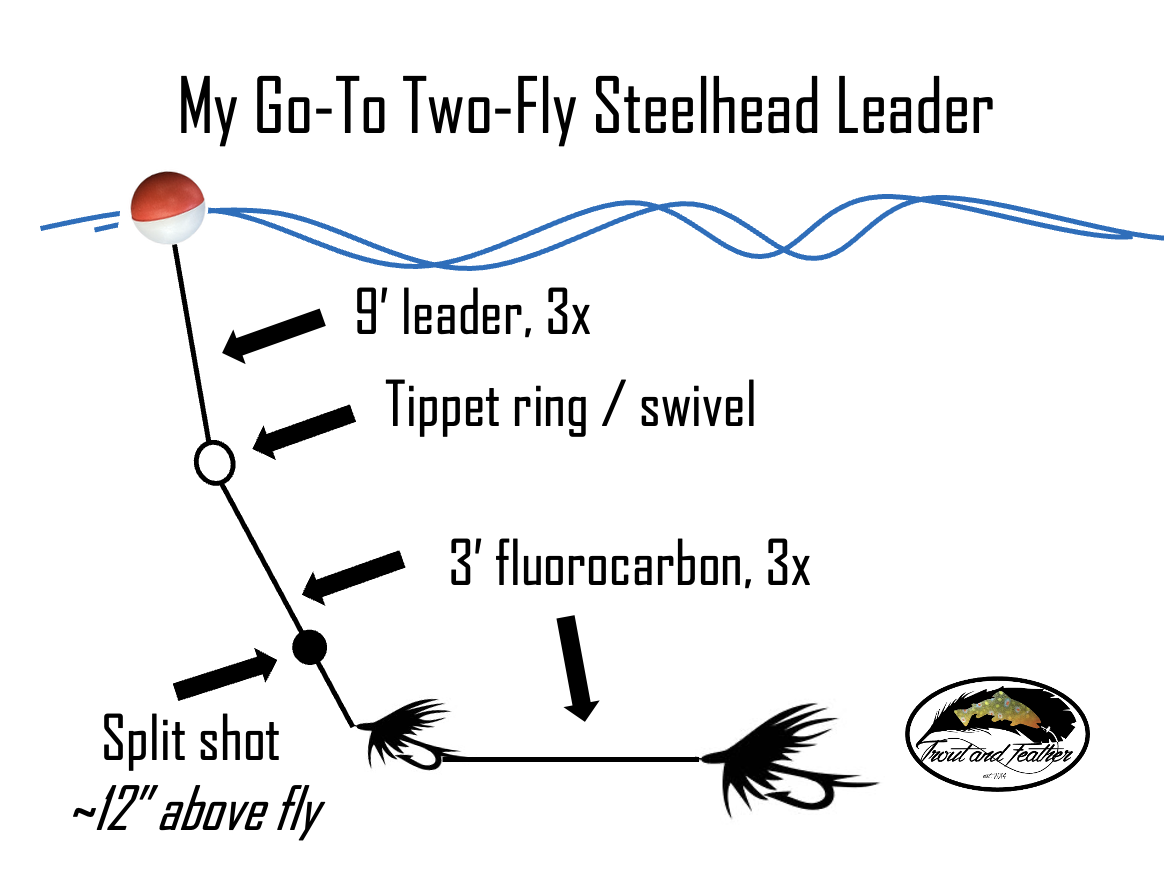
Rigging tips for my steelhead leader:
Start with a 9’, 3x tapered leader, and attach a tippet ring or swivel to its end
Add 3’ of fluorocarbon to a smaller fly, then add another 3’ of fluorocarbon to a larger fly.
Place split shot approximately 12” above the first fly, add or subtract weight as needed
Place a strike indicator at a depth to allow your flies to run at or above fish depth.
Playlist of my favorite steelhead patterns
Seasonal Approach to Steelhead Fly Fishing
FALL
Higher water, aggressive fish
Fresh steelhead enter the tributaries in the fall, often during higher flows. Fish are aggressive, cover water quickly, and respond well to larger flies, brighter colors, and active presentations.
Winter
Small flies, slow drifts
Cold water slows everything down. Success in winter comes from downsizing flies, slowing presentations, and keeping flies near the bottom for long, controlled drifts.
Spring
Spawning behavior and changing flows
Spring brings spawning fish, eggs, and variable water conditions. Focus on eggs, nymphs, and subtle patterns while adjusting constantly to changing flows and fish behavior.
Lake Erie Steelhead Fishing FAQ’s
Gear & Setup
What type of waders are best for the tributaries?
Chest waders are preferable for both warmth and higher water levels. I fish studded wading boots for added traction on slick shale and clay bottoms. Felt soles can be effective, but they become dangerous when snow and ice build up, especially along the banks and access points.
What’s the ideal fly rod for the Lake Erie tributaries?
For most anglers, a 10’ 6-weight is ideal. The extra length helps with mending and high-sticking across varied currents. Newer anglers may prefer a 7-weight for better fish control in higher water.
What’s the ideal line for the Lake Erie tributaries?
A weight-forward floating line covers most situations. In higher water or colder temps, adding sink tips or poly leaders can help get flies into the strike zone.
What leader and tippet do you use for steelhead?
Start with a 9’ 3x leader, then add additional 3x–4x fluorocarbon tippet, as illustrated in the rig above.
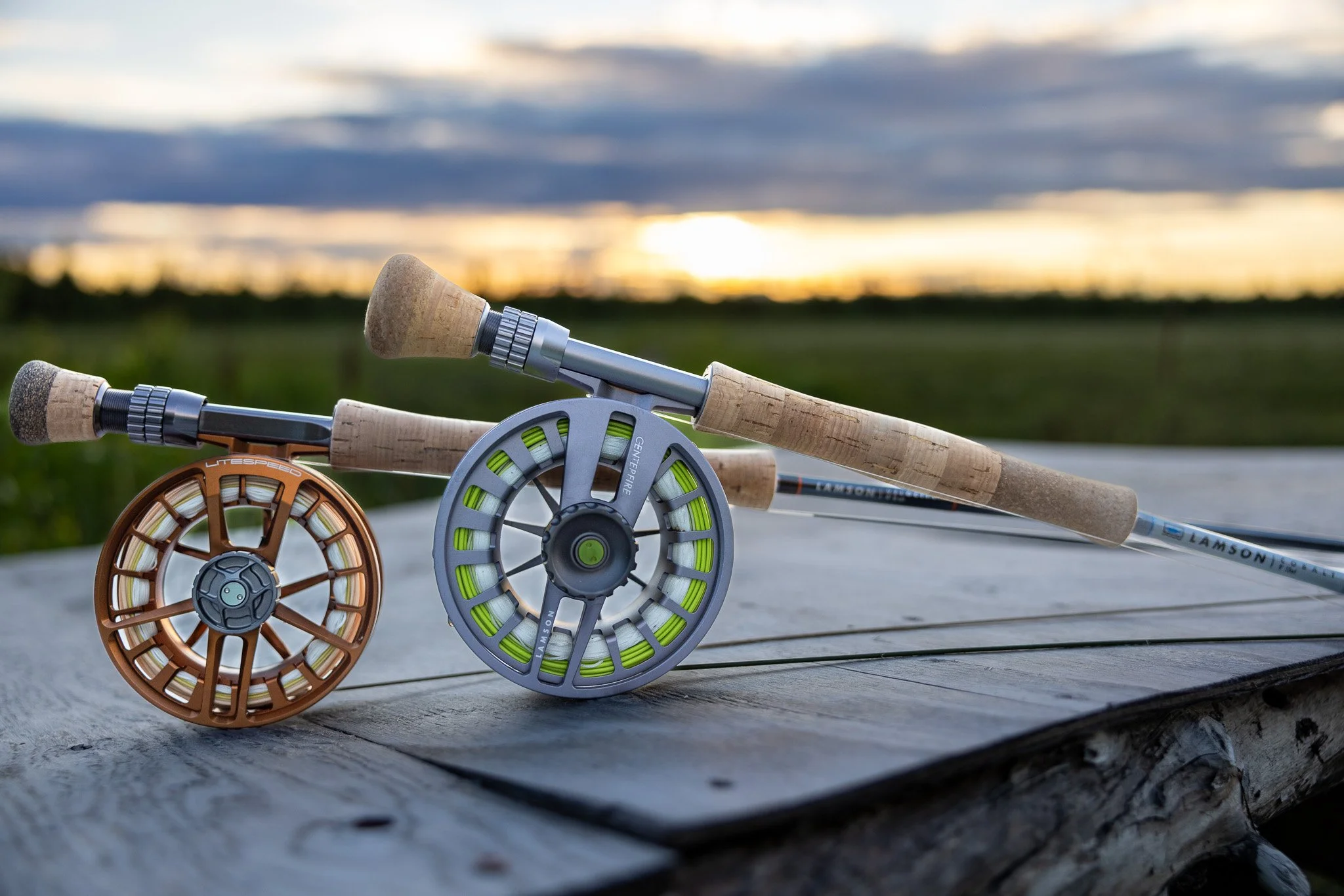
A 6-weight is my go-to for steelhead, but when the wind kicks up on Lake Erie beaches, an 8-weight comes out.
Flies
What are the best flies for Lake Erie steelhead?
Check out this blog featuring my favorite steelhead flies: Read Here
Timing & Conditions
What are the best months to fish for steelhead?
October begins the fall run, with peak fishing from November through December. Winter fishing in January and February can be excellent when conditions allow. March is the peak spring month, with opportunities extending into April.
What water levels are best for steelhead?
Rising or slightly dropping water levels are ideal. Extremely low, clear water makes fish wary, while blown-out flows can make fishing unsafe or unproductive.
How can I check the current conditions?
USGS gauges:
Local shops: There are many great tackle shops outside of Erie, PA. A favorite I recommend to call for current fishing conditions is Poor Richard’s.
Webcam: This live feed of Avonia Beach and Trout Run shows current conditions in this popular fishing spot.
Facebook: This Facebook group is packed with many like-minded anglers sharing their recent experiences on the Lake Erie tributaries.
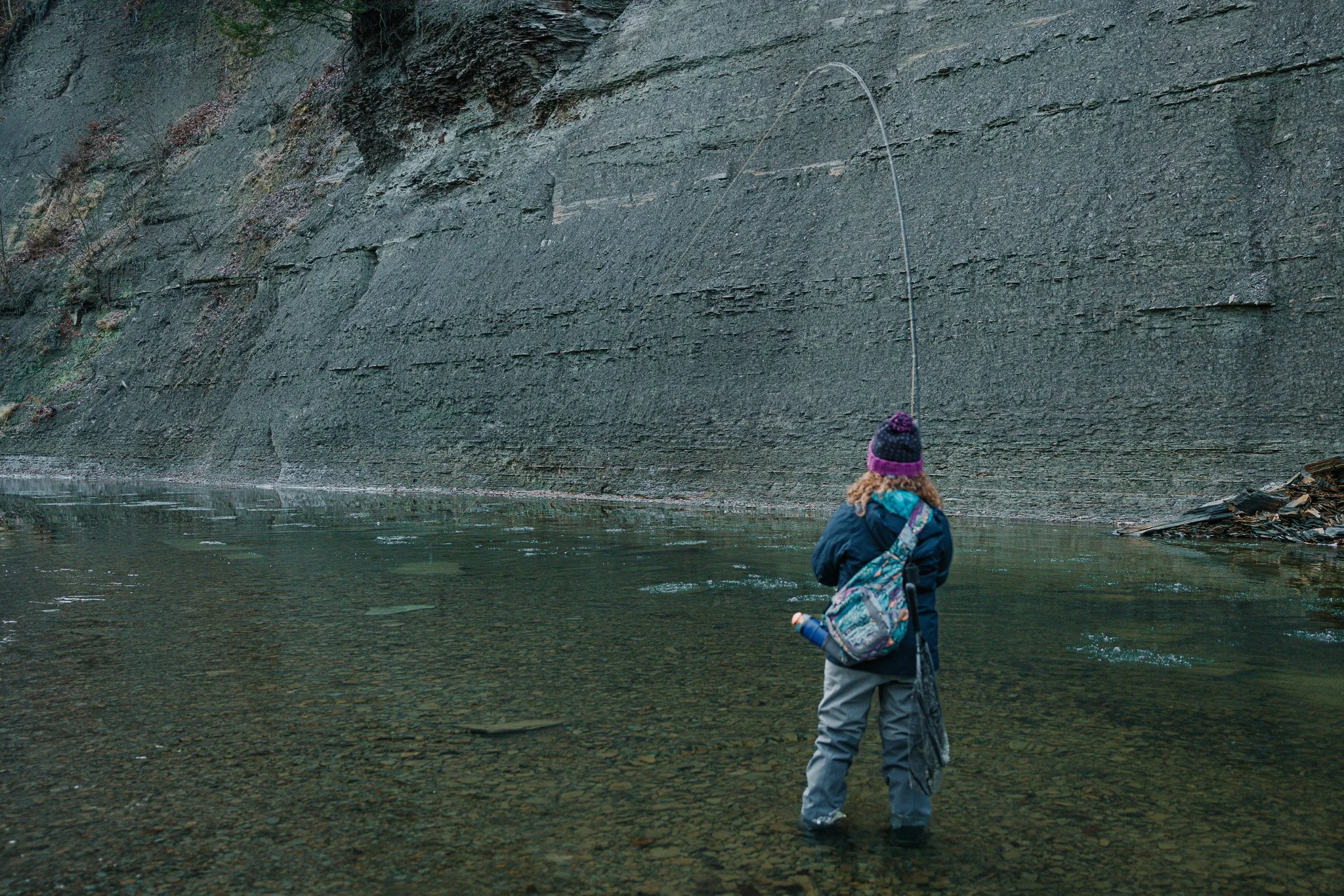
Clear water makes it easier to spot steelhead. And if you see three fish, there are probably ten there.
Licenses & Regulations
Where do I buy a license and check fishing regulations?
You can purchase a fishing license at most local tackle shops near the Lake Erie tributaries. Prefer to go online? The Pennsylvania Fish and Boat Commission website lists current regulations, bag limits, and catch-and-release sections.
Do I need a special permit to fish Lake Erie tributaries for steelhead?
Yes. In addition to a valid Pennsylvania fishing license, anglers fishing Lake Erie, Presque Isle Bay, or any Lake Erie tributary must have a Lake Erie permit. Many anglers purchase the Combination Trout/Lake Erie permit, which covers both trout waters and Lake Erie tributaries. Always confirm current requirements on the Pennsylvania Fish and Boat Commission website.
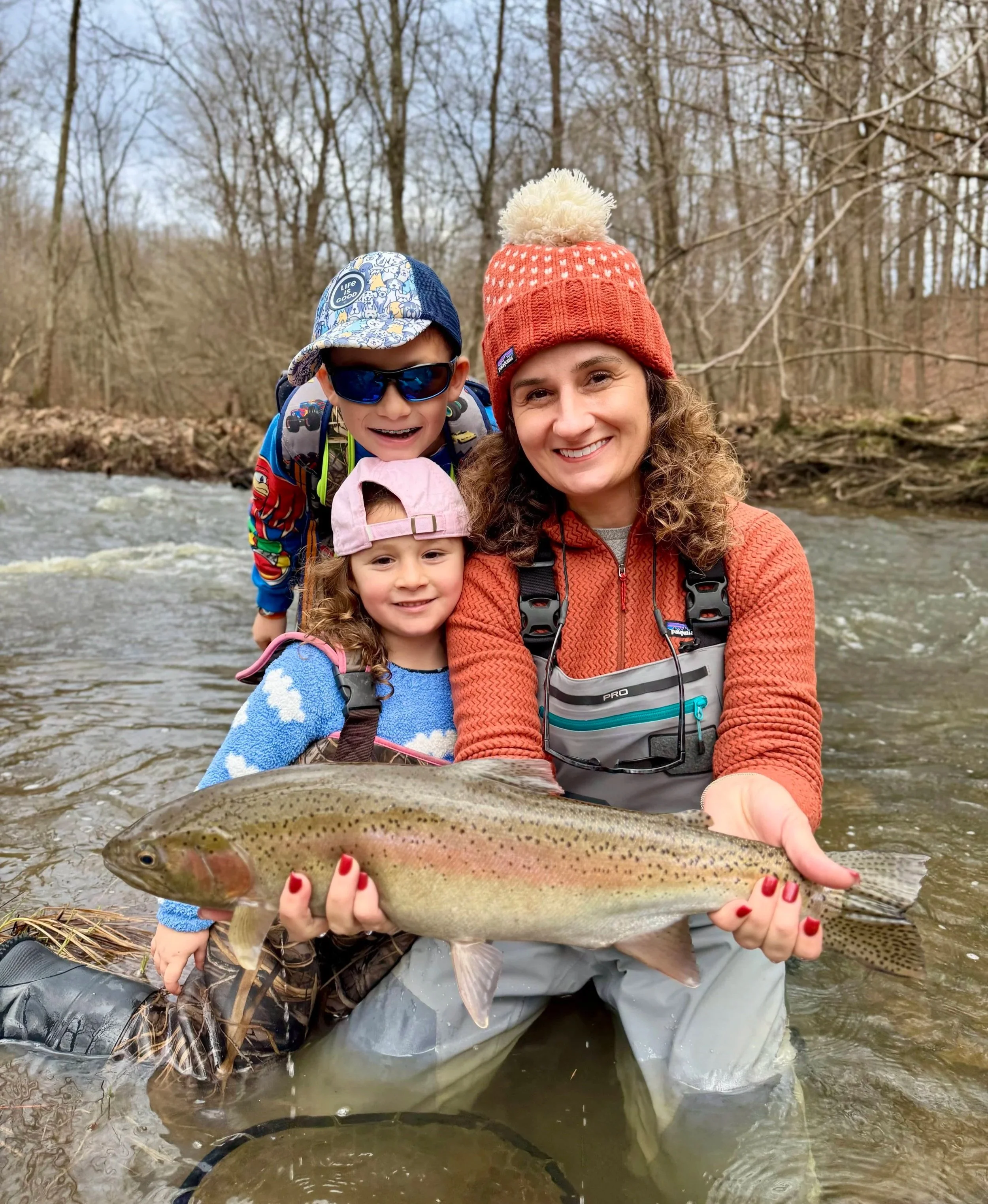
Heather and the kids with a Lake Erie steelhead from one of our favorite tributaries. Moments like this never get old.
Want to take your steelhead fishing to the next level?
In addition to Lake Erie tributaries, I also host guided steelhead trips designed to help anglers fish better, learn more, and enjoy the full experience on the water.
👉 Learn more about my hosted steelhead trips: CLICK HERE