
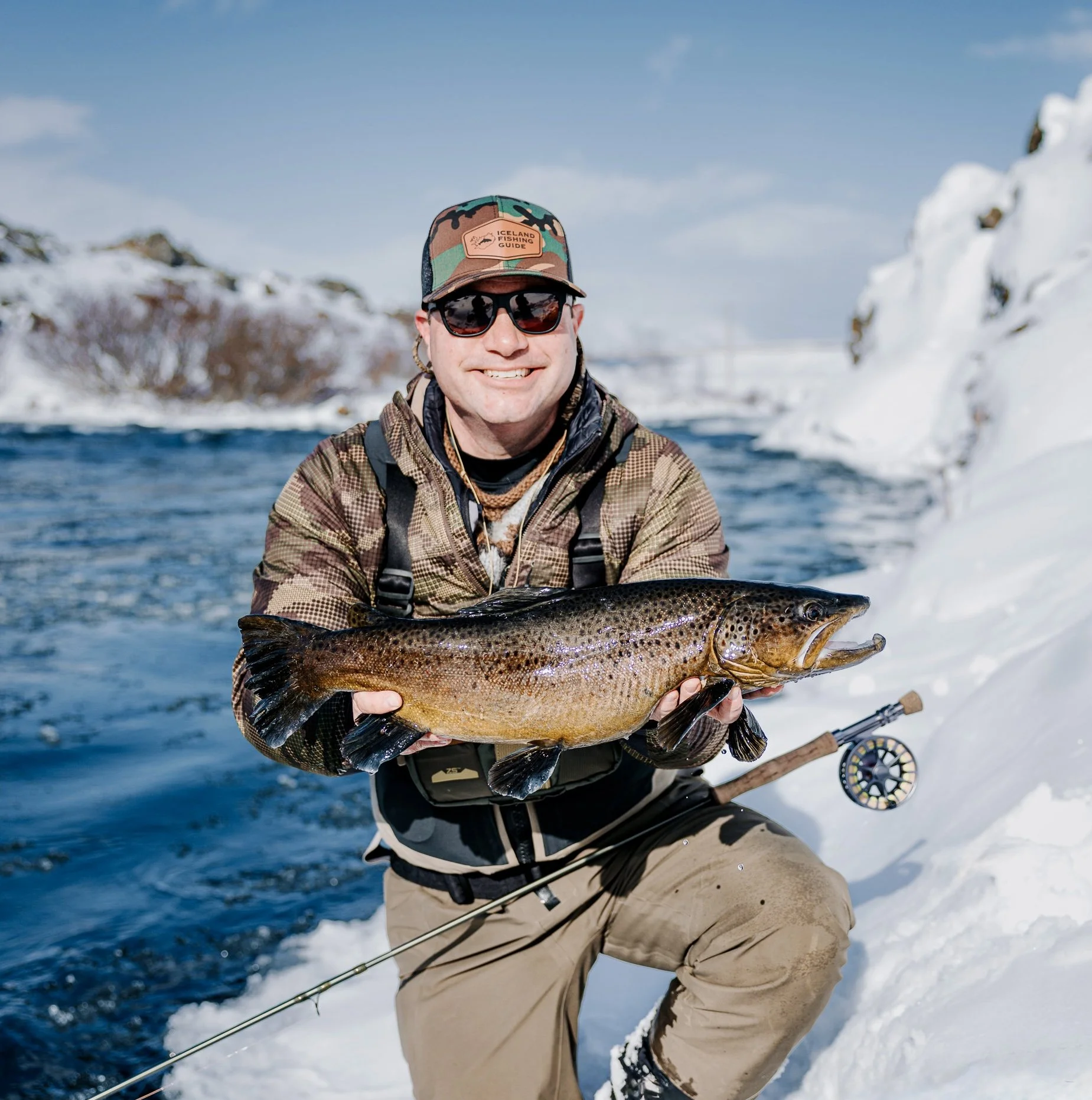
It’s that time of year, right before cabin fever truly sets in. Temperatures have dropped, the leaves are long gone, and for many anglers, fishing season feels over…or does it? Not quite. As long as the rivers aren’t locked in ice, winter fly fishing is absolutely in play.
That said, the cold months bring a unique set of challenges, and without the right approach, they can be frustrating fast. And because my goal with Trout and Feather has always been simple—to help shorten the fly-fishing learning curve—let’s put that into action. Below are five practical, experience-based ways to fish smarter, stay comfortable, and catch more trout this winter.
Fish Two Flies, Not One: Winter Patterns That Get Eaten
It’s vogue in fly fishing today to say that the flies don’t matter, I don’t subscribe to that. Instead, I believe that once you have a handful of confidence flies that you know catch fish, it’s then time to dial in your fishing technique. That applies especially in the winter, but let’s get the right flies in our box first.
My winter fly approach is simple: Double the flavor, double the fun! What does this mean? During the winter, I prefer a two-fly rig, fished closer to the substrate. But I don’t just put on two random flies, I choose patterns that complement each other, preferably in size. You’re giving the fish two sizes to choose from, plus adding necessary weight to keep the flies lower in the water column. Here are five flies that are always in my box during the winter.
When winter slows trout down, simple still works. The Jig Bugger is easy to tie—click the video above to learn how to tie it.
Go B-I-G or Go Home!
Woolly Bugger: Fish a dark-colored bugger in size #8. To grab the trout’s attention, go with an egg-sucking version.
Black Jig Bugger: Featuring a jig hook with a tungsten bead, this version is less likely to snag…but so easy to tie that it won’t hurt if you lose a few to rocks or wood. This fly is featured on the cover of my newest book, Tying Euro Nymphs, need I say more?
Pat’s Rubber Legs: With a wire underbody and tungsten bead, the Pat’s gets down and stays there. Those rubber legs are beacons to trout, and I’ve caught some of my largest fish on this pattern.
Match What They’re Eating: Small Winter Bugs & Eggs
Improved Zebra Midge: Since midges are in the system during the winter, give the fish what they are already eating. Favorite colors include black, red, and brown.
Bacon & Eggs: Show me a fish, and I’ll show you something that will eat an egg. Want one of my favorite rigs, especially for stocked trout? Pair it with a Squirmy!
Confidence Nymphs: You can never go wrong with a PT, Walt’s Worm, France fly, or “fill in the blank” with your favorite nymph. Downsize it to #18 (or smaller, if you dare!) and you’re good to go.
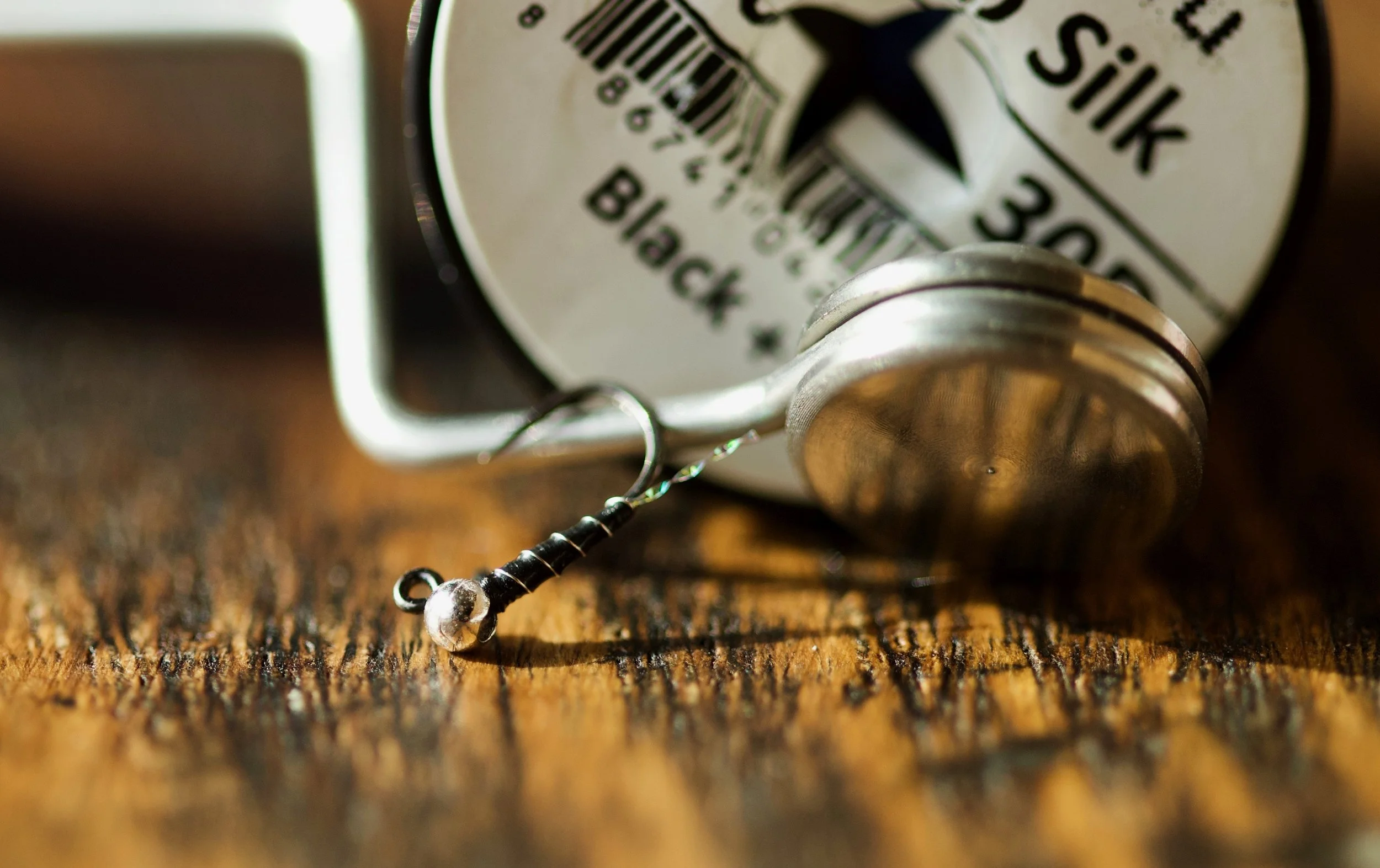
The Improved Zebra Midge, when paired with a slotted tungsten bead, is a small but mighty fly that gets to depth in a hurry!
Early bird gets cold — Fish later in the day!
In winter, fishing later in the day can make a dramatic difference. Overnight lows drop water temperatures to their coldest point, and trout metabolism slows accordingly. As the sun climbs higher, even a two-degree increase in water temperature can be enough to wake fish up and trigger feeding. Late morning through mid-afternoon is often the warmest window of the day, making it the most consistent time to find active trout.
This slight warming also increases the odds of insect activity, especially midges and occasional winter Blue Winged Olives. Trout don’t feed on a clock in cold water—they respond to conditions. By timing your outing around the warmest part of the day instead of the earliest, you’re fishing when trout are most likely to move, eat, and make winter fly fishing far more rewarding.
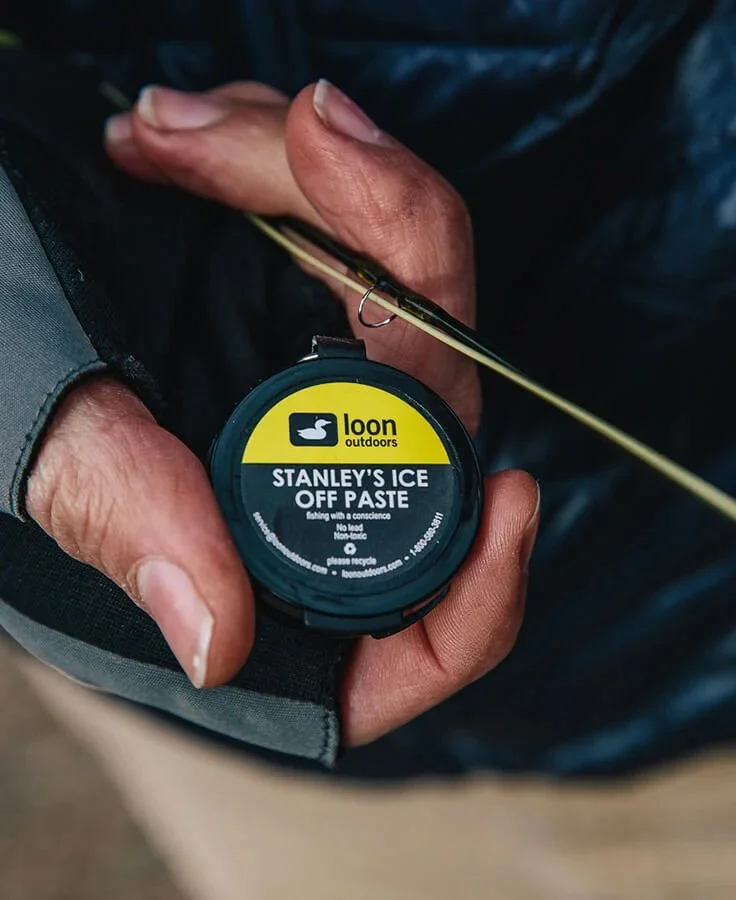
Frozen Guides? No Problem.
Winter Pro Tip: Frozen guides can ruin an otherwise great day on the water. Stanley’s Ice Off Paste is hands-down the best solution I’ve found. I’ve tried chapstick in a pinch—don’t bother.
Ice Off works better and keeps you fishing longer in the cold.
Dress Warm (Not Hot!)
Growing up in western Pennsylvania, cold winters are just part of everyday life. Add in time spent chasing fish in places like Iceland and Alaska, and my wardrobe is built for tough conditions. One thing I can’t stand, though, is being hot while fishing — sweaty base layers, fogged glasses, and that constant uncomfortable feeling. The solution is simple: wear breathable layers that keep you warm without overheating.
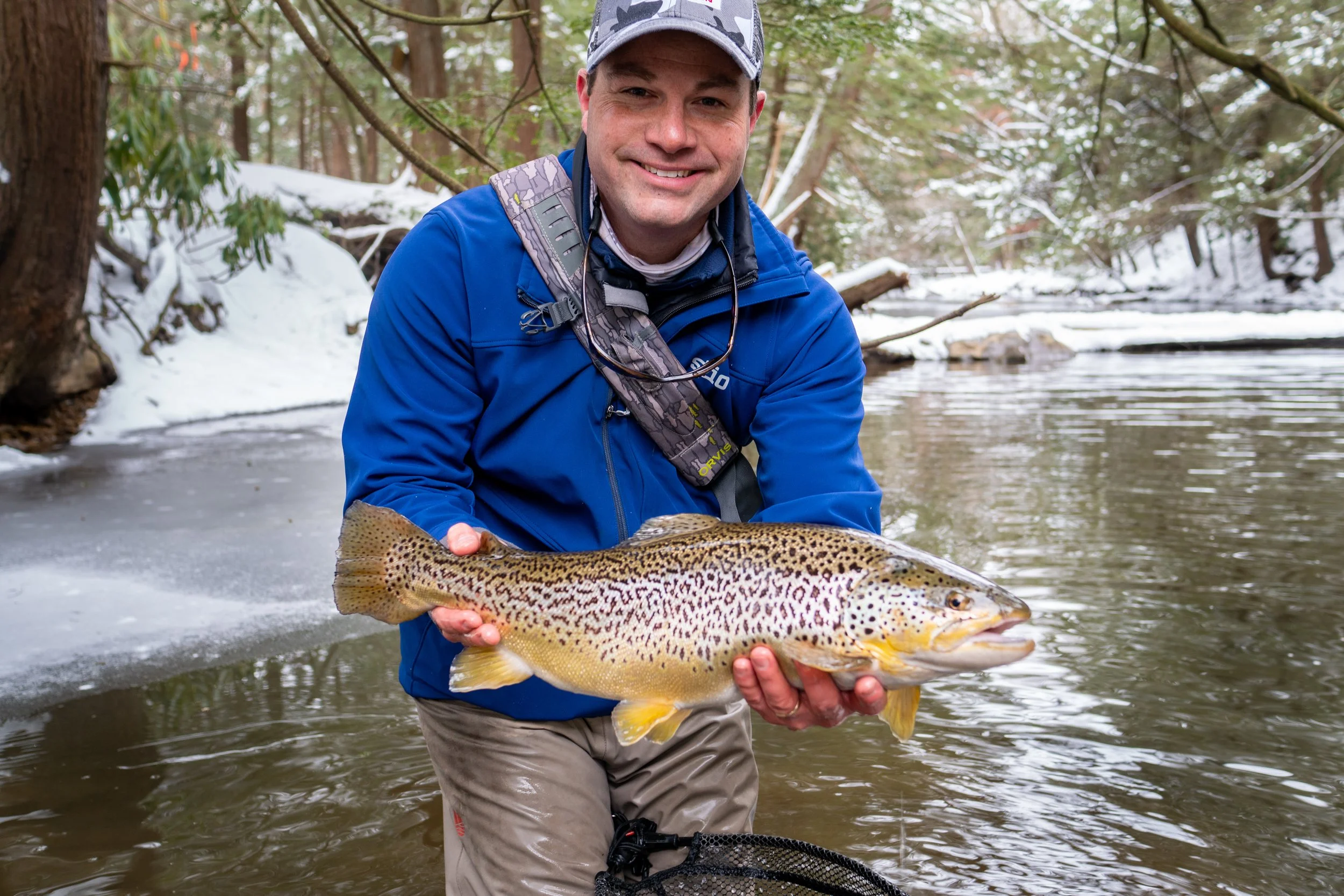
Even with ice forming along the edges, fly fishing this time of year can be outstanding with the right clothing. A streamside fire and a favorite beverage afterward don’t hurt, either.
Whether I’m chasing steelhead on the Erie tributaries or hunting whitetail deer on a snowy morning, my gear is the same. Here’s the system that has worked for me:
Base layer: Go with a breathable base layer that keeps the warmth in, while letting any excess moisture out. Choose thermal materials that are comfy and as lightweight as possible without sacrificing warmth. The base layer top I wear includes a mock neck; that extra piece of fabric holds more heat on
Socks: Two pairs is the way I roll! For the base, I choose typical crew socks, giving preference to a brand marketed as “cool comfort,” i.e. breathable. The outer pair is the difference maker, I like a thicker layer made of soft fibers. At 11” high, they stay in place on my leg, are extra comfy, and provide extra padding for inside waders.
Outer layer: Even with waist-high waders on, I still like an extra pair of thicker, breathable pants over my base layer. I’ve tried fleece-lined pants before, but for me they’re overkill. Instead, I keep it simple up top with a fleece and a vest—warm, flexible, and easy to adjust throughout the day.
Jacket: This is the layer I struggle with the most. In a perfect world, my winter jacket would be warm, comfortable, and completely wind- and waterproof. I usually reach for my Orvis Pro Hooded jacket, and it’s so warm I’ve actually had to take it off mid-day. Great for cold temps—less great when you realize it’s water-resistant, not waterproof. Winter fly fishing is all about compromises.
Gloves: Call me crazy, but I don’t like to wear gloves when fly fishing. There is always a pair in my backpack, but the most I’ll go is with a set of handwarmers in my coat pocket as an insurance policy.
Note that I mention few specific brands for winter clothing, as I’m always on the hunt for the best gear out there. If you’d like a specific list of the clothing brands I recommend, email me here: tcammisa@gmail.com
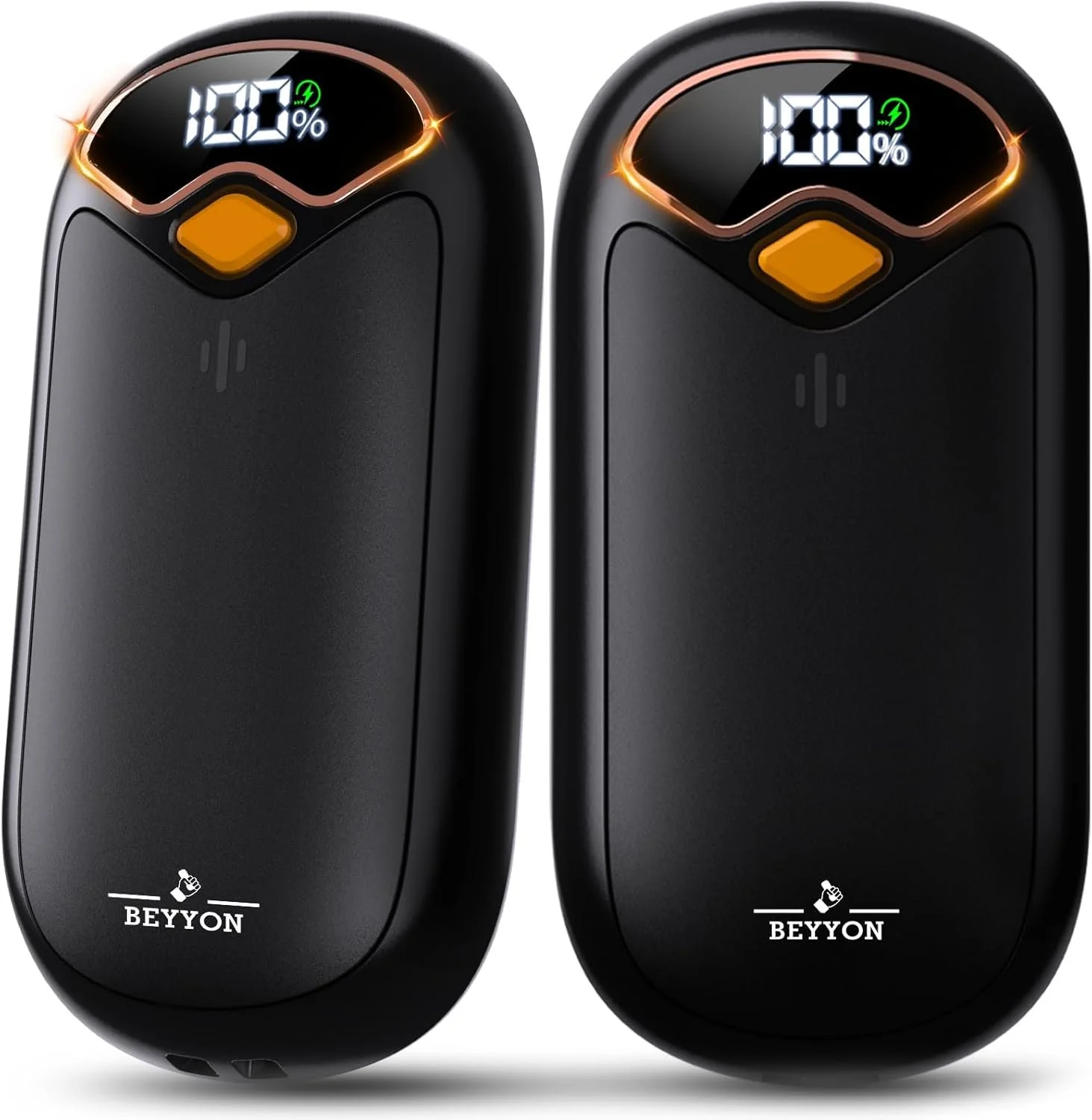
Heated Gear: Worth the Hype?
The one area I have yet to dabble in is the use of electric handwarmers, vests, etc., but I have friends who swear by this gear. I just bought Heather this pair of rechargeable handwarmers for Christmas and we’ll put them to the test this winter.
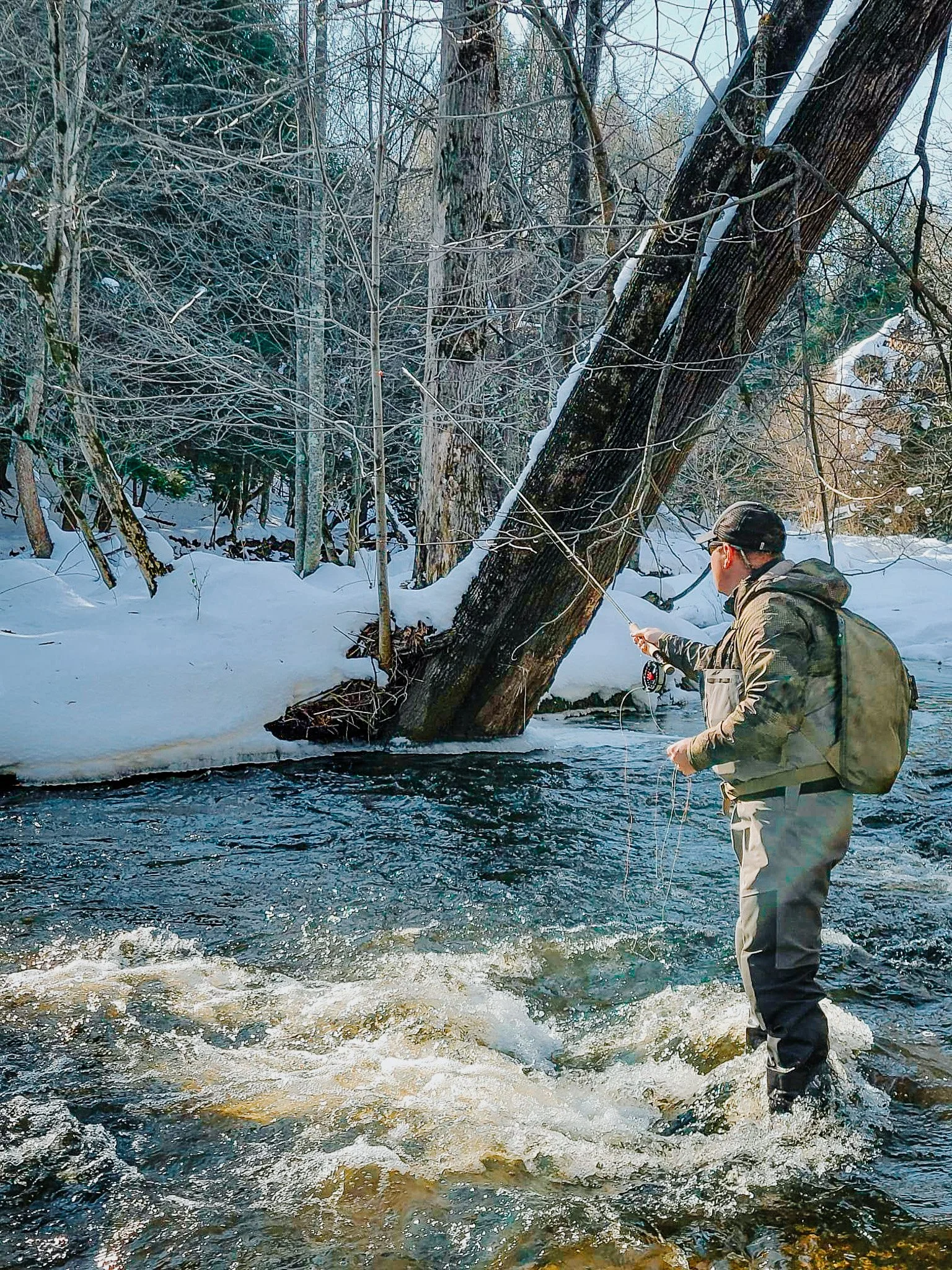
A beautiful winter scene. I’m standing in fast water, but my fly is drifting through the slow section—exactly where trout hold during winter.
Slow season, slow water
It’s no secret, I love to Euro nymph fast runs with heavy flies. Yet in the winter, that same water tends to be unproductive and not worth your time. Why is that?
For fish to maintain a holding lie in fast water, they use more calories. As more energy gets used, trout must find a way to replace it. Yet there are fewer bugs in the water during the winter, so you’ll notice trout won’t be in spots that require excessive energy use. Where do they go?
In my experience, trout tend to lie in wait at the bottom of pools. There are times when I’ll catch a fish in a pool, then continue to catch lots more. That’s because winter trout often stack up in the softest, deepest water where current speed is reduced and calories are conserved. These areas act like conveyor belts, delivering the occasional drifting meal without forcing fish to fight the current.
Once you locate one fish, it’s a strong signal you’ve found the right winter holding water. Slow down your approach, lengthen your drifts, and fish that zone thoroughly before moving on.
PRO TIP: To find the slowest water, look for ice forming along the bank. Slower currents freeze first, so ice is often a dead giveaway that you’ve found a prime winter holding lie—just be sure to position yourself safely before casting.
Take me to your (winter) leader!
Keep in mind that trout don’t always move far for bugs this time of year, so my recommendation is simple: Get those flies closer to the substrate. Common methods include using lighter tippet, heavier flies, and split shot. Yet let’s make one important change to our leader. During most of the year when I fish two flies, the heavier fly is at the point, and the lighter one is on a dropper tag higher up the system. This works perfectly to target fish in multiple water columns, but what about when fish are just near the bottom?
Go with a leader system shared with me by Tom Baltz, a professional fly fishing guide with over 50 years of experience teaching others how to fish. Tom’s system places a heavy fly on the point, then he adds 24” of tippet around the bend of the hook. To that section, he attaches a smaller nymph, which is dragged to depth by the heavier fly. Note that I said “depth” and not the bottom, which leads me to the final secret of winter fishing: Don’t dredge the bottom of the river.
In the winter, there are days where I feel like my fly has to nearly bounce off a trout’s mouth, they don’t always move far. But remember that a fish’s mouth is slightly elevated from the bottom, and trout can easily glide up to intercept a fly. Trout are not bottom-feeders, thus I don’t want my flies dragging the river bottom. Do that and you’ll break off your tippet and flies, both are miserable to replace on a cold, wintry day. Instead, use an indicator to keep your rig running just above the substrate, and adjust as you change pools and depths.
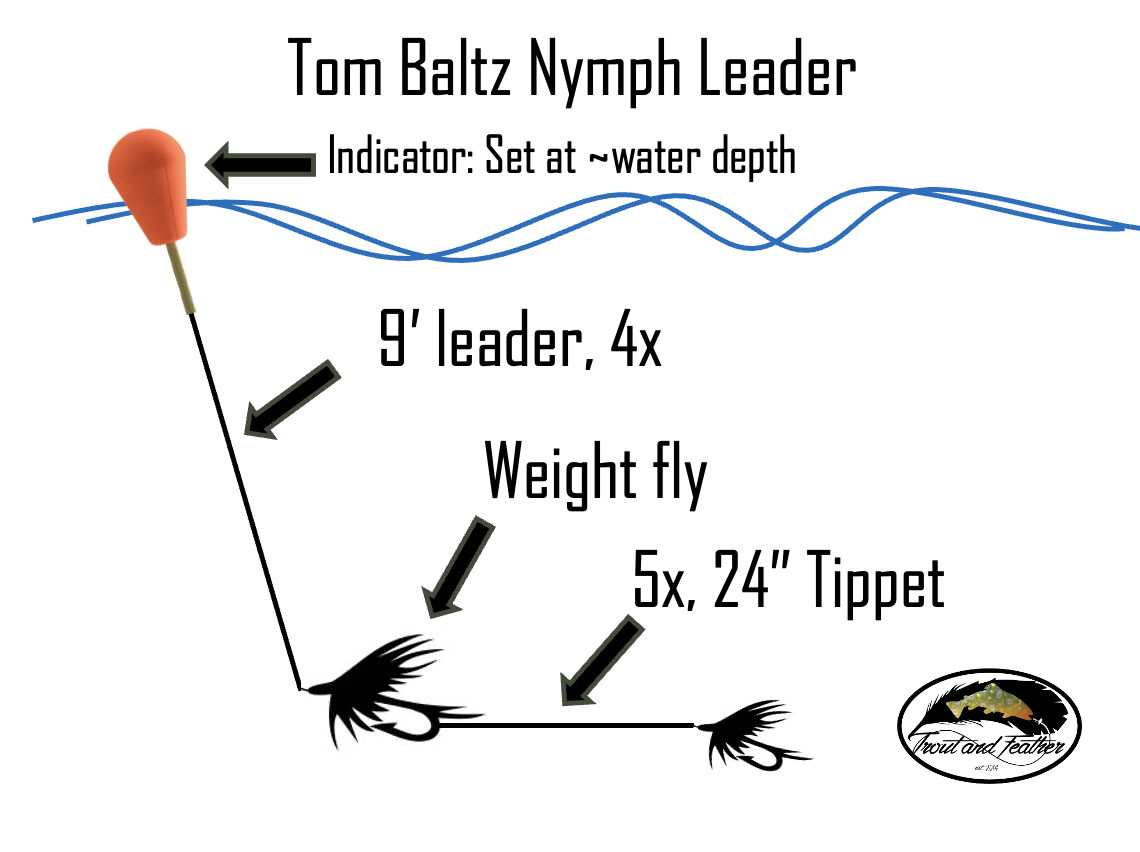
This leader setup helps put your flies right where trout are feeding. As a starting point, set the distance from your strike indicator to the first fly at about 1.5× the water depth.
And now, the final piece of advice you’ve been waiting for: Just go fishing. It’s easy to come up with a hundred reasons not to fly fish in the winter, but when I think back on some of the most peaceful days I’ve had on the water, they’re framed by falling snow and empty riverbanks. Winter strips away the noise and the crowds, leaving you alone with the river and the fish. Get out there, apply the flies, gear, and techniques we’ve covered, and give yourself a real shot at connecting with trout this winter.
Winter fishing forces you to think about trout behavior, timing, and presentation. Those same fundamentals are what separate good dry-fly anglers from great ones.
If you want to take what you’ve learned here and apply it to surface feeding—when trout are at their most selective—I put together a live Dry Fly & Emergers Virtual Class that dives deep into flies, rigging, leaders, and on-the-water tactics.
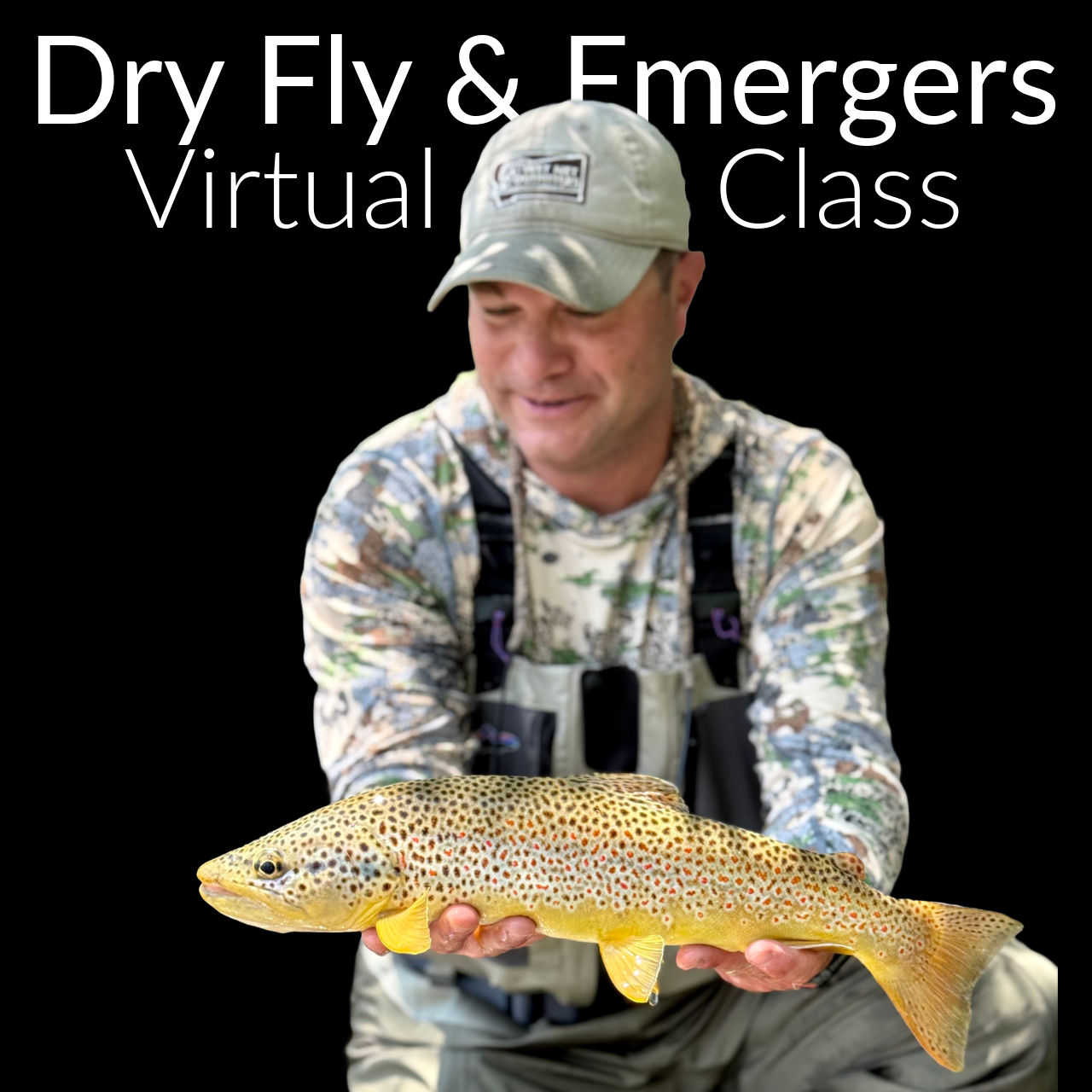
Registration closes at 6:00 pm ET so I can prep the live session.
Learn the fundamentals—and finer details—of Dry Fly & Emerger fishing.
Join Tim Cammisa for a beginner-friendly yet in-depth class focused on the insect stages that bring trout to the surface and how to fish them effectively. If you’re new to dry flies, this class will give you a clear foundation. If you already fish dries, you’ll gain a better understanding of why certain flies, rigs, and presentations work—and when to use them.
You’ll learn how trout feed on mayflies and caddisflies, which dry flies and emergers are most effective, and how to fish them with confidence. Topics include fly selection, leader setups, dry fly and emerger tactics, presentation and casting strategies, preferred gear, and the subtle techniques that turn surface looks into consistent eats.
Class Details
Date: Wednesday, January 28, 2026
Time: 8:00 pm ET (approximately 1.5 hours, plus live Q&A)
Format: Live online class via Zoom
This is a live master class taught via Zoom. A viewing link will be sent immediately after purchase.
Can’t attend live? No problem. The class is recorded, and all participants receive a replay link within 24 hours—so you can pause, rewind, and rewatch anytime. You’ll also receive a follow-up email packed with key takeaways, resources, and helpful links from the class.
By the end of this session, you’ll have a clearer understanding of when trout feed on the surface, why they do it, and how to present dry flies and emergers with confidence—so you can fish more effectively the next time you see noses breaking the surface.
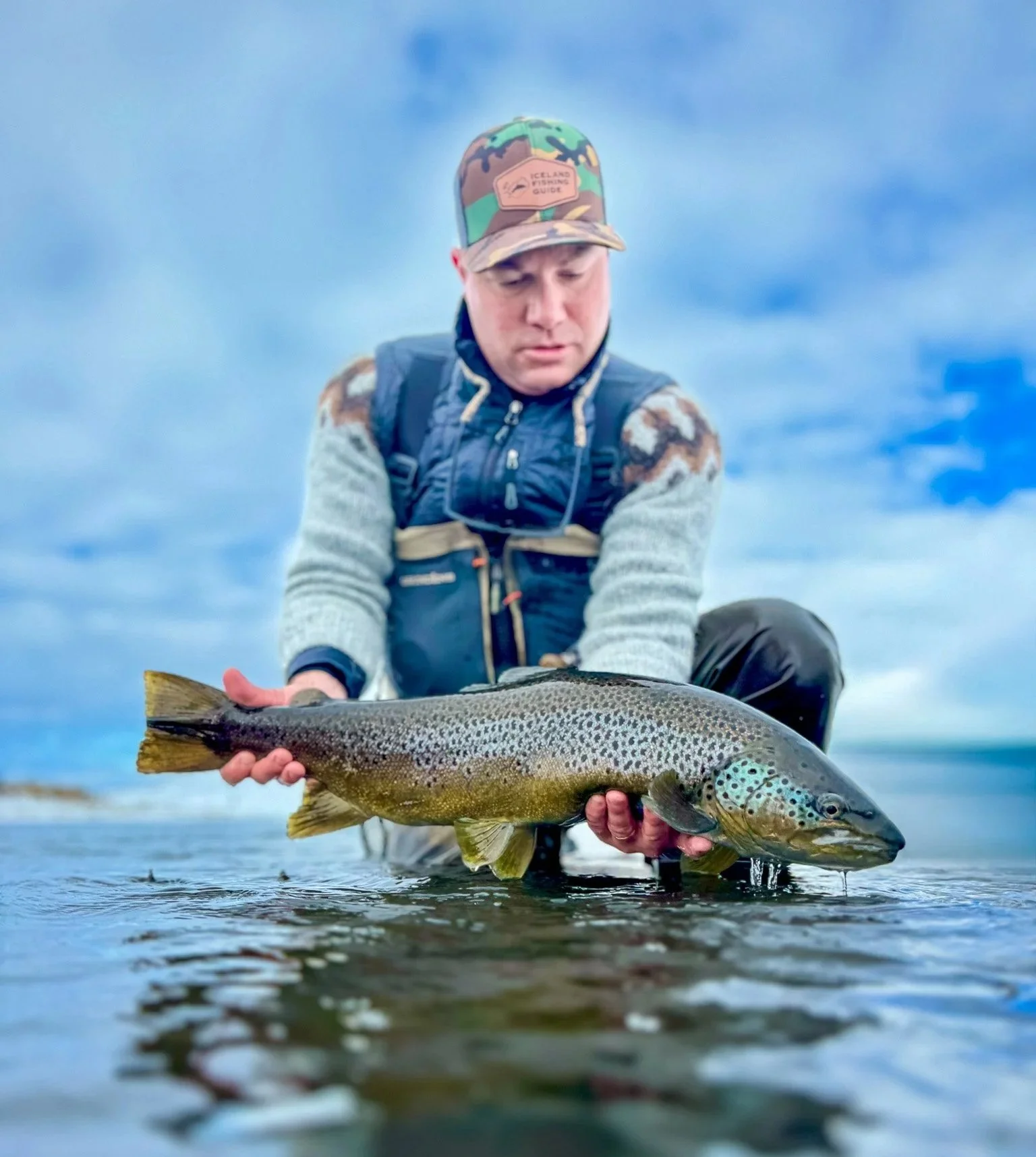
By Tim Cammisa
Tim Cammisa is a fly-fishing educator, author, and content creator focused on making fly fishing simpler, more approachable, and more effective. A former fly-fishing guide, Tim draws on decades of time on the water to share practical techniques, fly patterns, and gear insights that help anglers catch more fish.
Through his Trout & Feather platform and YouTube channel (over 5 million views), Tim teaches everything from fly tying and Euro nymphing to seasonal trout behavior and destination fishing. When he’s not fishing his home waters in Pennsylvania, he leads small-group hosted fly-fishing trips to Iceland, Montana, and Alaska.
Tim is the author of Fly Tying for Everyone and Euro Nymphs, and his work is grounded in a simple philosophy: time on the water matters, details matter, and fly fishing should be enjoyable at every stage of the learning curve.